2026 International PFD Conference
Virtual Live: Wednesday, February 25, 2026 – Friday, February 27, 2026
On Demand: March 9, 2026 – April 30, 2026
Cancelling your registration will remove your access to the event. If you proceed, you will no longer be able to participate or access event-related materials.
Deleting your account will remove your access to the event.
Need Technical Assistance? ✉ tech@vfairs.com
Virtual Live: Wednesday, February 25, 2026 – Friday, February 27, 2026
On Demand: March 9, 2026 – April 30, 2026
The Feeding Matters International Pediatric Feeding Disorder (PFD) Conference brings together experts to present sessions to attendees worldwide. Clinicians, families, and professionals from various healthcare fields join this event to learn the latest in PFD research and treatment.
All sessions airing on February 25-27, 2026 and will also be available on-demand from March 9-April 30, 2026. The on-demand offering includes all of the sessions listed below. Ticket packages include access to all live and on-demand sessions. Please note the conference will run on Eastern Time. Upon registration you will receive a confirmation email. Please return to this page to login in for the event using the button in the top right corner of the page. See you in February!
Feeding Development: Beyond the growth chart
SGSC Keynote Speaker: Alex Turnbull, RDN, LD
The goal of this event is to elevate the family perspective alongside professionals and community partners to meet the needs of the family and child with feeding differences. For decades, child health has focused on growth and nutrition, measured by height, weight, and head circumference. However, ongoing research and the lived experience has shown that feeding development is far more complex. Caregivers and health care professionals will move beyond the growth chart and delve into measures of growth for children with feeding differences. Attendees will walk away with examples of goals that properly measure the growth and development of a child with feeding differences and the language needed to advocate for this change.
Our keynote speaker Alex Turnbull, RDN, LD will kick out the Summit and be joined by Lauren Seaman, RD, LD and Tessa Gonzalez, MD, FAAP, both providers and mothers of children with feeding differences. This family centered nutrition and growth discussion is one you don't want to miss. Let's discuss the growth chart, together.
Learning Objectives:
List 3 measurable goals you can share with a provider that align with the growth of a child with feeding differences.
Identify 3 measures of growth for children with feeding differences besides ones identified in a traditional growth chart.
Identify 2 actionable items to take to your community that advocate for feeding differences beyond the growth chart.
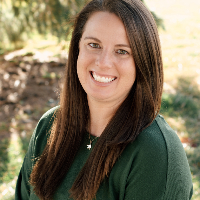
Ruth Bourque, MS, OTR/L
Ruth has a clinical background as an occupational therapist in pediatrics with a specialty area of feeding, eating, and swallowing. She received her bachelors degree in Psychology at Spring Hill College and a Master’s in Occupational Therapy from the University of South Alabama both in the Mobile, AL. She currently works at the Children’s Hospital in Savannah, Ga on both the feeding team and the occupational therapy team. She has experience in hospital, outpatient clinic, and home based settings. She has enjoyed volunteering with Feeding Matters since 2019.
Financial Disclosures:
None
Non-financial:
Co-chair of the Feeding Matters 2026 Shannon Goldwater Summit for Change Planning committee.
Daria Gledhill, Parent
Daria is a parent of a child with feeding difference and the current co-chair of the Shannon Goldwater Summit for Change committee.
Financial Disclosures:
None
Non-financial Disclosures:
Co-chair of the Feeding Matters 2026 Shannon Goldwater Summit for Change.
Alexandra Turnbull, RDN, LD
Alex is a Registered Dietitian, author of the Baby Food Cookbook for First-Time Parents and expert in infant and child nutrition, but most importantly a mom of two.
Her mission is to help parents feed their families with more confidence and less stress through realistic strategies that actually work!
Financial Disclosures:
Paid speaker and consultant for Naturally Influenced.
Non-financial Disclosures:
Co-author of the Feeding Matters Family Guide.
Lauren Seaman, RD, LD
Lauren Seaman, RD, LD is a registered and licensed dietitian with 14 years of experience specializing in pediatrics and complex nutrition needs. She is the founder of Lauren Seaman Nutrition, LLC, where she provides nutrition counseling with a focus on former preterm infants and children with feeding difficulties through instagram @preemie.nutrition.mama.
Previously, Lauren served as Lead Dietitian in a 94-bed Level III NICU at Memorial Health University Medical Center in Savannah, GA, where she developed and implemented evidence-based nutrition protocols and collaborated with an interdisciplinary team to support long-term nutritional adequacy in high-risk infants. She also spent eight years at The Children’s Institute in Pittsburgh, PA, where she worked extensively with pediatric feeding disorders and medically complex conditions including Prader-Willi Syndrome, traumatic brain injury, and food allergies. Lauren also presented nationally and internationally on nutrition management strategies in Prader-Willi Syndrome.
Lauren brings both professional expertise and personal insight to her work, as the mother of a preterm daughter with a history of feeding difficulties, which fuels her passion for helping families navigate the challenges of growth, nutrition, and thriving.
Financial Disclosures:
None
Non-financial Disclosures:
None
Tessa Gonzalez, MD, FAAP
Tessa Gonzalez, MD, FAAP is a general pediatrician and proud mom of two in Columbia, South Carolina. Dr. Gonzalez has worked as a general pediatrician for over 10 years in a variety of clinical settings including outpatient and inpatient practices. Currently Dr. Gonzalez practices primarily as a newborn nursery hospitalist and is also the medical director of a non-profit pediatric therapy clinic & school for children with disabilities.
Drawing inspiration from her older daughter who is disabled and medically complex, Dr. Gonzalez has a wide array of advocacy experience in children’s health & disability advocacy. She is a graduate of South Carolina’s Partners in Policymaking program, a volunteer Certified Passenger Safety Technician with adaptive transport training, and has served in various roles for Feeding Matters including family coach, panelist, and conference committee member.
Dr. Gonzalez believes all children deserve competent, compassionate, patient-centered care and is proud to use her personal and professional expertise to empower families and professionals to be the best advocates they can be.
Financial Disclosures:
None
Non-financial Disclosures:
None
Family-centered coaching and EI teaming transform mealtimes for infants and toddlers with PFD by supporting caregiver confidence, reducing stress, and fostering progress through natural routines. This session explores evidence-based strategies, strong partnerships, and access barriers to create collaborative, sustainable solutions that empower families in their daily life.
Learning Objectives:
List the five foundational coaching strategies for supporting family mealtime routines in Early Intervention.
Describe 2 natural learning environment principles for feeding support of infants and toddlers with PFD.
Summarize the impact of caregiver stress on daily routines when managing infant/toddler feeding disorders.
List two barriers to early intervention access for children with feeding challenges.
Susan Hodges OT/L
Susan is an occupational therapist, pediatric feeding specialist, and coach. She has dedicated her practice to feeding, eating, and swallowing for infants, toddlers, and young children within home, school, and clinic settings. She is currently the TBEI Program Director for Arizona Cooperative Therapies. She is proud to be a Feeding Matters volunteer and was humbled to be the recipient of the Feeding Matters 2022 PFD Healthcare Champion award.
Financial Disclosures:
None
Non-financial Disclosures:
None
Jenee Sisnroy
Jenée Sisnroy brings more than 15 years of experience in the Early Intervention (IDEA Part C) system. As Arizona’s former Part C Coordinator, she led the statewide turnaround that brought the program into federal compliance after more than a decade of continuing non-compliance, transforming it into a nationally recognized model of accountability and collaboration. Jenée oversaw the implementation of statewide contracts, interagency governance structures, data and quality-assurance systems, and a comprehensive professional-development network. Her work continues through consulting roles that strengthen fidelity to evidence-based practices, streamline systems, and elevate the quality of team-based practices and family-centered services.
As a mother to a child who faced complex feeding challenges, including multiple surgeries and G-tube dependence, Jenée brings both professional expertise and personal insight to her work. Navigating the medical and service systems largely on her own and often encountering fragmented, suboptimal care for her son, fueled a passion and commitment to building family-centered, coordinated approaches that prioritize both the child’s developmental needs and the caregiver’s voice.
Financial Disclosures:
None
Non-financial Disclosures:
None
Alicia Amundson
Alicia has extensive experience in Arizona’s Part C early intervention system, beginning as a developmental special instruction teacher and advancing to roles as coach, regional coordinator, and state Part C coordinator, focusing on compliance and professional development. Currently, she consults with a local agency on implementing best practices. Alicia also brings a personal perspective as a parent of two, with one child currently receiving early intervention services for feeding support.
Financial Disclosures:
None
Non-financial Disclosures:
None
Treating pediatric feeding patients in isolation, without connection to a team of professionals and caregivers involved in their care doesn’t have to be the norm. With the right tools and shared commitment, we can move from isolated care to integrated support systems that truly benefit the whole child.
Learning Objectives:
Identify 3 common barriers to continuity of care in pediatric settings.
Describe 3 negative results that can occur with fragmented care.
Apply 2 strategies to improve care transitions in a real or hypothetical situation.
Amanda Graves, SLPD, CCC-SLP, CLC
Dr. Graves received a clinical Doctorate of Speech Language Pathology with a focus on clinical education of Pediatric Feeding Disorder in Infants and has 17+ years of experience in pediatrics with the last 13+ years specifically in pediatric feeding. Providing quality education for pediatric feeding, specifically to therapists with limited access to mentoring support is a huge passion. Dr. Graves serves as a volunteer for Feeding Matters and TSHA as well as serves as an adjunct instructor for TTUHSC.
Financial Disclosures:
Instructor for CIAO Seminars. Owner and intellectual property rights of Itty-Bitty Mouths –Feeding SLP.
Non-financial Disclosures:
Volunteer for Feeding Matters- Physician Outreach Project. Volunteer for TSHA – Professional Development Board Member.
This presentation will explore the relationship between food allergy and pediatric feeding disorder (PFD). Synthesizing research and clinical expertise, the presenter will discuss best-practice assessment and management strategies, based on learnings from her current PhD studies and clinical practice. The session will highlight the importance of responsive, family-centered care.
Learning Objectives:
Describe two different types of food allergies and how they might present in infants and children.
List two common characteristics of pediatric feeding disorder (PFD) reported in existing research regarding food allergy in children.
Apply knowledge to assessment and treatment of PFD in this population.
Jennifer Kefford, MSLP, PhD Candidate
Jennifer is a speech pathologist with over 20 years’ experience. In 2020, she commenced a PhD through The University of Queensland, investigating the impact of food allergies on children’s feeding development. Jennifer currently works for NSW Health, managing her local speech pathology service on a day-to-day basis while maintaining a clinical caseload supporting children aged 0–6 years with feeding, speech, and language needs. She is passionate about family-centred care and improving service delivery for young children.
Financial Disclosures:
None
Non-financial Disclosures:
None
This session will examine the development of an innovative, online parent psycho-education program for parents of children with ARFID. This presentation analyzes systematic neuro-affirmative, trauma-informed parent education methods that enhance therapeutic outcomes while improving access to specialized ARFID interventions through structured online delivery.
Learning Objectives:
Analyze evidence-based parent coaching strategies that extend feeding therapy's impact beyond clinic sessions.
Evaluate neuro-affirmative approaches that shift ARFID treatment from deficit-based to strengths-based interventions.
Describe 1 systematic parent psycho-education frameworks for implementation into therapists' clinical feeding practices.
Teresa Foley, MSc OT, BSoc Sc., IBCLC
Teresa Foley is a Paediatric Occupational Therapist with over 17 years of experience, specialising in supporting Autistic children and their families. Much of her career has focused on helping neurodiverse children with complex feeding challenges, including ARFID and Paediatric Feeding Disorder. Teresa previously worked as a Specialist OT in dedicated feeding services before founding The Feeding Therapist in 2024 — a specialist service designed to support families navigating complex and often misunderstood feeding difficulties. She is passionate about raising awareness and understanding of ARFID and feeding difficulties, as well as dispelling the many myths that exist in this space. She is committed to helping neurodiverse children and their families rediscover enjoyment in food and mealtimes, regardless of how complex the situation is. She regularly delivers lectures and teaching to other health professionals working in this complex area, to ensure more families will be able to receive the support they need. Teresa passionately believes parents are the experts of their own children and always strives to provide therapeutic input which is neuro-affirmative, responsive and directed by the child's level of comfort and safety in relation to food and eating.
Financial Disclosures:
None
Non-financial Disclosures:
None
This session will focus on a research investigation examining the effect of a sensory and oral-motor-based systematic desensitization feeding therapy program in schools. Five children with Down syndrome participated in this A-B-A withdrawal design. Caregivers participated in weekly education sessions to facilitate essential collaboration in the feeding therapy program.
Learning Objectives:
Define the diagnostic criteria of pediatric feeding disorders.
List three ways feeding/swallowing disorders may impact a student with Down Syndrome's access to education.
Describe the effect of sensory and oral-motor-based systematic desensitization feeding therapy in schools.
Shannon Muela, SLPD, CCC-SLP
Dr. Shannon Muela holds an SLPD from Rocky Mountain University of Health Professions. With over 8 years of experience primarily working with young students in the school setting, Dr. Shannon Muela has a passion for supporting students with feeding and swallowing disorders and their families. She completed her doctoral research investigation on school-based feeding in students with Down syndrome and hopes to be a catalyst for change in this area to improve outcomes for students.
Financial Disclosures:
None
Non-financial Disclosures:
Received a scholarship for the SOS Mentorship Program and Certification Program.
This session presents findings from a study evaluating a virtual parent education online program for families of children with pediatric feeding disorder. Outcomes related to parental confidence, program feasibility, and acceptability are discussed, emphasizing the potential of virtual education to enhance access to care in underserved communities.
Learning Objectives:
Describe 2 barriers to accessing pediatric feeding support in rural and remote communities.
Describe 1 feature of a virtual, synchronous parent education program.
Summarize key finds of a quasi-experimental study on the influence of the program on parent confidence and acceptability of the program.
Lauren Hershfield, Msc. OT
Lauren Hershfield, MSc. OT, OT Reg. (BC), is an occupational therapist at BC Children’s Hospital and co-owner of The Feeding Group, a private practice supporting children with feeding challenges. Lauren is currently a doctoral candidate at Queen’s University in Rehabilitation and Health Leadership, researching virtual models of care and family-centered approaches in pediatric feeding.
Financial Disclosures:
None
Non-financial Disclosures:
None
Elise Fairey, Bsc. RD
Elise earned her Bachelor of Science in Dietetics from the University of British Columbia. She has devoted her career to supporting children and families, with experience at BC Children’s Hospital and The Feeding Group in Vancouver, BC. Currently, Elise works as a Clinical Dietitian in the Oncology, Hematology & BMT program at BC Children’s Hospital, while also serving as Co-Founder and Dietitian at The Feeding Group, a multidisciplinary clinic specializing in the assessment and treatment of pediatric feeding, growth, and nutrition challenges.
Financial Disclosures:
None
Non-financial Disclosures:
None
Sandra Fucile, PhD, OT Reg
Dr. Sandra Fucile is a registered Occupational Therapist and Assistant Professor at the School of Rehabilitation Therapy at Queen’s University (Canada). She leads the I.N.F.A.N.T. Research Program dedicated towards enhancing the health and development of infants born preterm infants with a focus on oral feeding. Her research program includes: 1) Identifying risk factors for pediatric feeding disorders; 2) Creating a novel nipple-monitoring device; and 3) Design and testing family-delivered interventions to enhance oral feeding outcomes.
Financial Disclosures:
None
Non-financial Disclosures:
None
Late and moderate preterm (LMPT) infants are often overlooked for developmental, feeding, and nutrition risk. We share evidence from the literature and clinical experience on the importance of monitoring LMPT infants as a preterm population and how to support the caregiver-LMPT infant dyad for optimal outcomes.
Learning Objectives:
Summarize features that put late and moderate preterm infants at risk for challenges in each of the 4 pediatric feeding disorder domains.
List 2 strategies for supporting various ways of feeding including breast/chest feeding, bottle feeding, and formula feeding.
Apply provider-caregiver interaction strategies that support caregiver confidence in responding to their child's cues.
Mari Mazon, MS, RDN, CD
Mari Mazon is a registered dietitian nutritionist at the University of Washington Institute on Human Development and Disability. Mari has served children and youth with special health care needs for over 10 years in birth-to-3, late and moderate preterm infants follow-up clinic, and an interdisciplinary diagnostic clinic for learning and behavioral differences. She is principal investigator on a WA State CYSHCN contract for organizing ongoing training for the state's dietitians and feeding teams.
Financial Disclosures:
None
Non-financial Disclosures:
None
Tiffany Elliott, MS, CCC-SLP, CNT, IBCLC, NTMTC
Tiffany Elliott is a Speech-Language Pathologist, who specializes in pediatric feeding and swallowing disorders with a strong focus on medically complex infants. With her additional specializations in lactation and neonatal therapy, Tiffany brings a holistic approach to care and centers the emotional wellbeing of the families she supports. Tiffany founded Feeding Connections, PLLC, where she provides training and mentorship to empower providers with the knowledge, skills and confidence to provide quality services in their community.
Financial Disclosures:
None
Non-financial Disclosures:
Pediatric Feeding Association volunteer.
Cara Pierson, MN, ARNP, PPCNP
Cara Pierson is a board-certified pediatric nurse practitioner with over a decade of experience in developmental and behavioral pediatrics, focusing on autism, ADHD, feeding disorders, and NICU follow up care. She loves teaching, learning, adventuring in the outdoors, and being silly with her energetic toddler.
Financial Disclosures:
None
Non-financial Disclosures:
None
This session presents a co-designed approach to workforce development for ARFID in New Zealand, focusing on the impact initiatives such as multidisciplinary foundational training, peer supervision, and indigenous terminology in ARFID. The goal was to support responsive, informed care across professional contexts in Aotearoa New Zealand.
Learning Objectives:
Describe the co-design approach to ARFID workforce development in Aotearoa New Zealand.
Summarize key initiatives such as training, self-directed eLearning and peer supervision.
Evaluate how to build awareness of indigenous and lived-experience resources from this context.
Kristin Gozdzikowska, PhD
At Whāraurau, Kristin is responsible for managing projects related to workforce development for the eating disorder and disordered eating workforce in Aotearoa New Zealand. She has worked in rehabilitation and clinical/translational research for over ten years, and is a speech therapist, clinical supervisor and lecturer with inpatient and acute care experience. Kristin has co-authored multiple publications including a textbook titled ‘Dysphagia following Stroke.’ She specialises in working with individuals with neurologic impairment, including traumatic brain injury, and swallowing/feeding disorders. Kristin has a MSc from the University of Washington and a PhD from the University of Canterbury.
Financial Disclosures:
None
Non-financial Disclosures:
None
Rachel Lawson, MA (Hons), Dip Clin Psyc
Co-Author
Rachel is a Consultant Clinical Psychologist and Clinical Head of the South Island Eating Disorders Service for the Canterbury District Health Board, Christchurch, New Zealand. Rachel has extensive experience in the treatment of eating disorders in both New Zealand and the United Kingdom. She supervises, consults and trains local and national audiences, and presents at national and international conferences. She has an interest in workforce development, for which she has held both national and Australasian-wide project roles. She was made a Fellow of the New Zealand College of Clinical Psychologists (NZCCP) in 2017 in recognition of her work in the field of eating disorders.
Bronwyn Dunnachie, PhD
Co-Author
As a Principal Advisor with Whāraurau, Bronwyn is responsible for engaging with the infant, child, adolescent and youth mental health workforce in order to determine training and development needs. In addition she oversees the delivery of events, training and other professional development activities, with specific reference to adverse childhood experiences, quality improvement and leadership. Bronwyn has extensive experience in working with young people and their whānau in both clinical and managerial settings, and has also worked in the tertiary education sector. Bronwyn has a PhD in Psychology and is a Registered Nurse and has a Masters of Education in Counselling.
This presentation will first provide an overview of a hospital-based multidisciplinary assessment for ARFID at an eating disorders program. Next, several case studies will illustrate how to individualize behavioral treatment components and how to set cases up for long-term success when providing treatment to adolescents with ARFID.
Learning Objectives:
List two examples of protocols that can be used during an ARFID intervention.
Summarize the role of one specific discipline in a multidisciplinary team and a goal that can be set within that scope.
Describe two benefits of collaborating with clients when designing an intervention.
Laura Seiverling, PhD, BCBA-D
Dr. Laura Seiverling is a licensed psychologist and Board Certified Behavior Analyst (BCBA) doctoral level. She currently works with ARFID patients at the MUSC Health Center for Eating Disorders. Before seeing patients at MUSC, she worked at an intensive interdisciplinary day patient feeding program in New York, serving as both psychologist and clinical supervisor. In addition to her current position, she holds an Associate Teaching Professor position at Ball State University and teaches online graduate and undergraduate courses in applied behavior analysis. Dr. Seiverling has over fifteen years of experience providing treatment for feeding and other behaviors in children. She has published over thirty articles and book chapters on feeding problems, autism spectrum disorder, staff and parent training, and behavioral interventions. Alongside the director of Penn State's Pediatric Feeding Program, Dr. Keith Williams, she is the co-author of Broccoli Boot Camp: Basic Training for Parents of Selective Eaters.
Financial Disclosures:
None
Non-financial Disclosures:
None
Elizabeth Wallis MD.MSHP, FAAP
Dr. Elizabeth Wallis is an Associate Professor of Pediatrics and Psychiatry & Behavioral Sciences at the Medical University of South Carolina (MUSC) in Charleston, SC. She heads the Division of Adolescent Medicine and the MUSC Health Center for Eating Disorders. She is passionate about improving mental health care for children including primary care clinician training and support, improved collaboration between pediatricians and mental health clinicians, and community access to treatment.
Dr. Wallis received her bachelor’s degree in biology from the College of William and Mary and her medical doctorate from the Warren Alpert Medical School of Brown University, where she completed a combined MD program between Brown and Dartmouth Medical School. She completed pediatric residency as well as a fellowship in academic general pediatrics at the Children’s Hospital of Philadelphia. She holds a master’s degree in health policy research from the University of Pennsylvania.
Financial Disclosures:
None
Non-financial Disclosures:
None
Across disciplines, research reveals when we follow the child, reinforce connection, and coach caregivers to shape from within engagement, mealtimes become a place of learning and joy. It's about constructing conditions under which exploration, engagement, and sampling naturally emerge.
Learning Objectives:
Describe the difference between responsive and directive clinician behavior.
Analyze how patterns of response impact child engagement during mealtime routines.
Evaluate clinical scenarios to identify proactive strategies and shaping procedures that support the transition from avoidance to engagement.
Rachael White MS, BCBA, LBA
Rachael White, MS, BCBA, LBA, is the Founder and Clinical Director of Up Beet Eaters, a private practice supporting children, teens, and young adults with Pediatric Feeding Disorder (PFD), ARFID, and related mealtime challenges. With over 20 years of experience across home, school, clinic and community settings, she partners with families and multidisciplinary teams to build individualized, client-led programs rooted in responsive, constructional approaches to behavior change.
Financial Disclosures:
None
Non-financial Disclosures:
None
Temporary feeding tubes are often viewed as low-impact solutions to provide nutrition for children unable to meet growth needs through oral intake. This presentation shares mixed-methods evidence-based research highlighting hidden burdens; financial strain, family disruption, and time demands. Attendees will gain practical insight into supporting families through consistent, family-centered care.
Learning Objectives:
Identify factors contributing to disruption in family life related to temporary tube feeding.
Summarize study findings to better inform family-centered education, discharge planning and follow-up care and support.
Describe 2 support strategies to reduce the financial strain and time burden on families.
Claire Reilly, RD, PhD Candidate
Claire is a dedicated paediatric dietitian and clinical researcher passionate about improving family-centred care working at the Queensland Children’s Hospital in Brisbane, Queensland, Australia. Her PhD research focuses on enhancing care for children with feeding tubes, aiming to improve both clinical outcomes and family experiences. Claire has presented at international conferences, published in leading peer-reviewed journals, and received multiple awards for her work - including winning The University of Queensland’s 2024 Three Minute Thesis (3MT) competition, where PhD students explain their research to a general audience in just three minutes.
Financial Disclosures:
None
Non-financial Disclosures:
Co-chair of an Australasian Society of Parenteral and Enteral Nutrition (AuSPEN) sub-committee on blended tube feeding for the past six years,
This session covers a national initiative between Children’s Healthcare of Atlanta and Feeding Matters to address educational gaps on PFD through the development of online educational modules. An overview of the educational modules, study, and early results will be shared.
Learning Objectives:
Define the diagnostic criteria for PFD across all four domains and highlighting the importance of primary care physicians.
Describe the interdisciplinary process involved for creating PFD educational modules.
Summarize and evaluate early findings from results of the pre and post module knowledge test.
Anais Villaluna, SLPD, CCC-SLP, BCS-S, CLC
Anais Villaluna, SLPD, CCC-SLP, BCS-S, CLC is a Speech-Language Pathologist and Board-Certified Specialist in Swallowing and Swallowing Disorders. She provides care across outpatient, inpatient and specialty care settings, with clinical expertise in supporting children who have complex feeding and swallowing disorders through interdisciplinary, family-centered approaches.
Anais brings a comprehensive skillset spanning clinical care, quality improvement and implementation science. She has advanced training in the delivery and interpretation of instrumental swallowing evaluations, including Fiberoptic Endoscopic Evaluation of Swallowing (FEES) and Videofluoroscopic Swallow Studies (VFSS), which she uses to guide individualized, evidence-based dysphagia management.
Financial Disclosures:
None
Non-financial Disclosures:
Feeding Matters volunteer.
Kristin Hathaway, PhD, BCBA-D
Kristin Hathaway, PhD, BCBA-D is a licensed psychologist in the Multidisciplinary Feeding Program at Children’s Healthcare of Atlanta. As a psychologist for the Feeding Program, Dr. Hathaway conducts multidisciplinary feeding evaluations and provides behavioral intervention in the outpatient and day treatment programs.
Financial Disclosures:
None
Non-financial Disclosures:
None
Profound ethical questions arise over the course of pediatric feeding care. What characterizes care? How do we honor lived experience alongside professional expertise? And how can we move forward together, even amid disagreement?
In this keynote, Dr. John Lysaker, William R. Kenan University Professor at Emory University, will explore the ethical dimensions of feeding development through the lenses of moral philosophy and philosophical psychology. Drawing from concepts of epistemic virtue and collaborative beneficence, Dr. Lysaker will challenge us to reconsider how we understand interdisciplinary clinical spaces as sites of inquiry and care, and how we conceive of patient empowerment for vulnerable populations still in the early stages of development.
Attendees will leave with fresh insight into navigating the gray areas of practice, broader understanding of the value of meaningful disagreement, and aspiring toward patient-centered, ethically grounded care in a culture of moral ambition. This thought-provoking session will inspire us not only to “do good” but to do so with intention, curiosity, and generous respect for the diverse voices at the table.
Learning Objectives:
Summarize the contours of cultures of moral ambition.
Describe the ethics of iterative care as a process of shared deliberation driven.
List 2 ways to better navigate disagreement and moral complexity in clinical and family-centered decision making through considerations of epistemic virtues.
Evaluate links between respect for patient autonomy, clinical beneficence, and patient empowerment.
Define ways to effectively integrate stakeholder lived experiences into practices of iterative care.
John Lysaker, PhD
KEYNOTE SPEAKER,
KEYNOTE SPEAKER,
Our 2026 Keynote speaker, John Lysaker, is the William R. Kenan University Professor at Emory University, where he directs The Center for Ethics. Lysaker's central interest remains the good life writ large and various phenomena that enable and/or frustrate its emergence, including character and metacognition, artworks, serious mental illness, and friendship. He has authored six monographs, co-authored a seventh book, and co-edited a collection of essays. In addition, he has written roughly eighty scholarly articles and chapters and delivered over a hundred lectures and presentations. Recent publications have appeared in JAMA Psychiatry, The Georgia Review, and The Journal of Speculative Philosophy.
Financial Disclosures:
None
Non-financial Disclosures:
None
This session highlights how the Feeding Matters Patient and Family Centered Consortium united families and lived experiences to co-create national research priorities for PFD and ARFID. Through shared leadership and lived experience, the group identified urgent needs in early identification, care practices, and family support, offering a model for equitable, community-driven research.
Learning Objectives:
Identify barriers to integrating lived experience into pediatric feeding research and strategies the consortium used to address them.
Summarize how consensus-building shaped the development of a shared research agenda for PFD and ARFID.
Apply family-centered research principles to enhance participant-driven engagement in your own work or institutional projects.
Describe the three research themes prioritized by the consortium to guide future pediatric feeding disorder research.
Rachel Conrad, MA CCC-SLP
Rachel Conrad, MA, CCC-SLP, is Chair of the Feeding Matters Patient and Family Centered Consortium and a passionate advocate for those with feeding differences. Growing up with a pediatric feeding disorder, she now draws on her lived experience and clinical expertise as a speech-language pathologist. Rachel is dedicated to making feeding therapy more inclusive, compassionate, and family-centered, working to ensure that those with feeding challenges are understood, supported, and represented in both care and research.
Financial Disclosures:
None
Non-financial Disclosures:
Feeding Matters Patient and Family Centered Consortium Chair through PCORI.
Elizabeth B
Elizabeth is a parent advocate for children with pediatric feeding disorder.
Financial Disclosures:
None.
Non-financial Disclosures:
Member of the Feeding Matters 2026 Shannon Goldwater Summit for Change committee, volunteer, and Vice Co-Chair of the Person and Family Centered Feeding Research Consortium.
Christina Van Ditto
Financial Disclosures:
None
Non-financial Disclosures:
Member of the Feeding Matters Consortium.
Hayley Estrem, PhD, RN
Hayley Estrem, PhD, RN, is an Associate Professor in the School of Nursing at the University of North Carolina at Wilmington. She is a member of the Research Initiatives Task Force of Feeding Matters, is on the Family Centered PFD Consortium Project Team, and is a founding member of the Feeding Flock. She does this work because she wanted to improve PFD care for families after having to navigate the experience with her son.
Financial Disclosures:
None
Non-financial Disclosures:
None
In this session the findings of a research study of psychosocial experiences of feeding a child with PFD will be discussed. The interviewers were caregivers of children with PFD themselves and share their powerful lived experience.
Learning Objectives:
Describe the 6 themes of PFD feeding impact on child and family life.
List 2-3 domains of PFD impact on caregiver.
Summarize how domains of impact canbe addressed clinically.
Nora Fayed, PhD, OT Reg. (Ont.)
Dr. Fayed, (she/her), has 20 years of experience in clinical and wellbeing research for children, and with Fellowships from University of Toronto and the ICF Research Branch of the World Health Organization. Her clinical background came from a specialized feeding clinic from the largest pediatric rehab hospital in Canada. She studies with international leaders in outcomes research such as David Streiner at McMaster, and Alarcos Cieza from the World Health Organization.
Her mission is to improve the quality of life of children with diverse abilities, and their families, through justice-based and evidence-informed, measurement, systems and policy research. She has published as a first or senior author in top-tier journals, (e.g., JAMA Peds, Neurology, CMAJ, & Value In Health), and held prestigious grants as a principal scientist (e.g., SPOR, SSHRC) and fellowships (e.g., CIHR, EU Marie-Curie). Her core research competencies include measurement of latent constructs in childhood and adolescence, health classification, university teaching, and health care systems evaluations.
Financial Disclosures:
None
Non-financial Disclosures:
None
Based on an analysis of qualitative interviews with 16 mothers whose child had completed an intensive feeding tube weaning program on average 7.2 years before interview, the presentation examines perceptions of emotional and family challenges participation entailed and offers recommendations for strengthening family support before, during, and after program participation.
Learning Objectives:
Describe families' experiences of participation in an intensive feeding program.
Identify three challenges related to participation in an intensive feeding program.
Formulate strategies for strengthening family support in clinical practice.
Hayley Estrem, PhD, RN
Hayley Estrem, PhD, RN, is an Associate Professor in the School of Nursing at the University of North Carolina at Wilmington. She is a member of the Research Initiatives Task Force of Feeding Matters, is on the Family Centered PFD Consortium Project Team, and is a founding member of the Feeding Flock. She does this work because she wanted to improve PFD care for families after having to navigate the experience with her son.
Financial Disclosures:
None
Non-financial Disclosures:
None
Heidi Van der Molen, Parent
Heidi Van der Molen serves as the Senior Program Manager of Family Support at Feeding Matters, where she oversees family-centered initiatives including the Power of Two mentoring program. Her responsibilities include program development, resource implementation, and community engagement. With experience in program evaluation, grant writing, and research, Heidi’s work is deeply informed by her lived experience as the parent of a child diagnosed with Pediatric Feeding Disorder.
Financial Disclosures:
None
Non-financial Disclosures:
None
Kathleen Knafl PhD
Kathleen Knafl is emerita professor University of North Carolina at Chapel Hill. Her research addresses family management of childhood chronic conditions. She is on the editorial board of Journal of Family Nursing and a founding member of the International Family Nursing Association. She was lead or co-investigator on multiple National Institutes of Health funded studies, including Symptom Trajectories in Infants and Toddlers at Risk for Chronic Feeding Problems.
Financial Disclosures:
None
Non-financial Disclosures:
None
Incorporating a child’s social context is imperative to deliver family-centered care. The objective of this presentation is to understand how to consider social context and integrate social care into pediatric feeding disorder treatment. The presentation will provide examples from research and discuss real-world applications.
Learning Objectives:
Summarize the impact of social context on PFD treatment.
List 3 key activities of social care integration and their relevance to PFD management.
Describe two ways of incorporating social care into PFD management.
Kelsey A. Egan, MD, MSc
Dr. Kelsey Egan is an Assistant Professor of Pediatrics at the Boston University Chobanian and Avedisian School of Medicine, general pediatrician, and health services researcher. Dr. Egan’s research interests focus on improving linkages between pediatric primary care and community-based resources and programs (i.e. clinical-community integration) in order to decrease inequities in health outcomes for children and families. She is particularly interested in developing and implementing interventions to prevent food insecurity in early childhood.
Financial Disclosures:
None
Non-financial Disclosures:
None
Meg Simione, PhD, CCC-SLP
Dr. Meg Simione is an Assistant Professor in the Department of Communicative Disorders at the University of Rhode Island (URI). Prior to joining URI, she served as an Assistant Professor of Pediatrics at Massachusetts General Hospital and Harvard Medical School.
Dr. Simione is a speech-language pathologist with extensive clinical experience across Early Intervention programs, private practice, and hospital settings, specializing in care for infants and children with pediatric feeding disorder. Her work with families from low-income communities heightened her awareness of differences in health outcomes and access to services, fostering her interest in implementation science and the need to bridge the gap between research and clinical practice.
Financial Disclosures: None
Non-financial Disclosures: Feeding Matters Research Pillar
This presentation reviews the literature regarding caregiver stress and well-being and child quality of life following feeding tube placement. Attendees will hear a firsthand account from a parent of a child with PFD, describing the journey from the decision for tube placement to then meeting the goals for tube removal.
Learning Objectives:
Describe 1 positive and 1 challenging caregiver experience after feeding tube placement.
Summarize approaches to support families caring for a child with a feeding tube.
Compare and contrast personal perceptions of feeding tubes to first hand account of a parent of a child with PFD and history of tube feeding.
Meghan Wall, PhD, BCBA
Meghan Wall, PhD, BCBA Meghan Wall is a licensed psychologist and board certified behavior analyst (BCBA). She completed her doctoral training at Mississippi State University and her residency and fellowship at Children’s Healthcare of Atlanta and Emory University School of Medicine. She holds dual academic appointments as an Assistant Professor of Pediatrics and of Psychiatry and Behavioral Medicine at the Medical College of Wisconsin. Her clinical role is within the interdisciplinary feeding program at Children’s Wisconsin. Her interests include innovative and collaborative treatment approaches for PFD and ARFID, and education and training to expand the psychology workforce for feeding disorders.
Financial Disclosures:
None
Non-financial Disclosures:
None
Pamela Knight, Parent, MPH, EMT
Pamela is a mom of six children. Her daughter, third child, has a pediatric feeding disorder. She had a ng then g tube placed as an infant. Pamela has a background in sciences, maintains her emergency medical technician license, and holds a masters in public health. Pamela is passionate about helping others understand pediatric feeding disorders, and encouraging them to build networks to empower their families. In her free time, she loves to run and volunteer at her children’s school.
Financial Disclosures:
None
Non-financial Disclosures:
Pam is the co-chair of the Feeding Matters International PFD Conference Planning Committee.
This session presents outcomes from a virtual, caregiver-centered mealtime support program for families of children with intellectual and developmental disabilities. Using the Project ECHO model, the program combined expert guidance with peer connection. Findings highlight increased caregiver confidence, practical strategy use, and the potential of low-intensity, accessible mealtime interventions.
Learning Objectives:
Describe the structure and key components of the Mealtime ECHO model for caregiver-centered feeding support.
Identify reported caregiver outcomes related to confidence, strategy use, and mealtime stress.
Summarize practical considerations for implementing virtual, low-intensity feeding support programs in early intervention or community settings.
Yev Veverka, PhD, BCBA-D
Yev Veverka is the Director of Training and Consultation Services and Clinical Supervisor at the UW Autism Center. Yev's work centers on empowering families and providers to create mealtimes that are supportive and fulfilling. Yev is a mom of three, a role that deepens her perspective on caregiving and mealtime support.
Financial Disclosures:
Author of “Meaningful Mealtimes: Practical Strategies for all Young Eaters."
Non-financial Disclosures:
Feeding Matters 2026 International PFD Conference Planning Committee volunteer.
This session will inspire healthcare professionals to share knowledge, while striving for higher standards of care for children with PFD. Session attendees will identify the core components of clinical competency and verification methods, and leave the session with a foundation to develop feeding competencies in their unique practice setting.
Learning Objectives:
Define three domains of competency assessment as related to PFD.
Compare at least 4 methods of verification to demonstrate clinical competency.
Identify common barriers to competency implementation and adapt solutions to minimize these obstacles.
Danielle Griffin, MS, OTR/L, BCP, CKTP, CEIM
Danielle Griffin MS, OTR/L, BCP, CKTP, CEIM (AOTA consultant)
Danielle Griffin is an occupational therapist with 17 years of clinical experience across a variety of pediatric settings. She is currently employed at Cleveland Clinic Children’s Hospital Rehabilitation, and is a Clinical Manager at Kids Choice Pediatric in Ohio. Mrs. Griffin is Board Certified in Pediatrics through the American Occupational Therapy Association (AOTA), a Certified Kinesio Taping Practitioner and Certified Educator of Infant Massage. She uses these certifications to provide holistic treatment, using adjunct modalities to improve general and feeding development. Mrs. Griffin is currently the Co-Coordinator for the Pediatric Special Interest Section of Ohio’s Occupational Therapy Association. In this role, she serves to advocate for feeding education (among other topics) to practitioners in the state of Ohio. Mrs. Griffin has experience providing education to families, students and medical professionals at state and national venues. In 2020, Ms. Petrozelle co-authored “Sibling Supported Feeding Intervention,” which was published in OT Practice. Mrs.Griffin is also Feeding Matters’ AOTA PD Consultant.
Financial Disclosures:
None
Non-financial Disclosures:
Ohio Occupational Therapy Association (Board Member), Feeding Matters (Conference Planning Committee, AOTA Consultant/volunteer.)
Kristen Crish, EdD, CCC-SLP
Dr. Kristen Crish is a pediatric speech-language pathologist, assistant professor, and graduate program coordinator. Her clinical and academic work focuses on pediatric dysphagia and pediatric language development. She is dedicated to advancing evidence-based practice through her research and is passionate about mentoring graduate students and supporting families through collaborative, child-centered care.
Financial Disclosures:
None
Non-financial Disclosures:
American Speech-Language Hearing Association (Leadership Development Program Graduate and General Member.)
This study examines two scoping reviews with the first investigating the methodologies, populations, and normative data available on typically developing children in the literature. The second review analyzed the variations in feeding skill development to improve identification of age-appropriate feeding norms.
Learning Objectives:
Identify 2 gaps that have been found in feeding literature relating to variations of participant demographics, how to observe necessary feeding skills, and types of skills critical for evaluating feeding behavior in infants.
Summarize the contrasts of observational methods used by researchers to examine oral feeding skills of similar purpose.
List 2 consistencies and variations in skill data derived from the literature.
Amy Delaney, PhD, CCC-SLP
Dr. Amy Delaney is an Assistant Professor in Speech-Pathology & Audiology at Marquette University. She is the Director of the Neurodevelopmental Feeding and Swallowing Lab focusing on establishing a normative reference for feeding development to apply to diagnostic criteria of pediatric feeding disorder. Amy is a Founding Medical Professional Council Member of Feeding Matters, co-authored the Infant and Child Feeding Questionnaire and PFD consensus paper by Goday et al in 2019.
Financial Disclosures:
None
Non-financial:
Feeding Matters 2026 Conference Committee volunteer.
Research based on extensive interviews with families and clinicians will be shared discussing a peer-reviewed, published "gold standard" NG tube mealtime that enshrines safety, love, connection, joy and consistency as essential to good practice. Speakers will report insights and findings on the development and impact of adoption.
Learning Objectives:
Summarize the core elements of the SUCCEED Gold Standard NGT Meal.
Describe the impact of using standardized language and steps for a tube meal.
Evaluate opportunities and challenges of adopt the Standard in their own practice.
Chris Elliot, B.Med(Hons) FRACP
Dr Elliot is a General and Developmental Paediatrician who has been part of a paediatric multidisciplinary feeding clinic in Australia for more than 12 years. He is a co-founder of SUCCEED Child Feeding Alliance, Australia's first charity for children with pediatric feeding disorder.
Financial Disclosures:
None
Non-financial Disclosures:
None
Nick Hopwood, PhD
Nick Hopwood is a Co-Founder and Co-Director of SUCCEED Child Feeding Alliance. He is a researcher at UTS and has conducted studies relating to experiences of families with children who tube feed and practices in multidisciplinary paediatric feeding clinics. More widely, he has studied health professional practice and health professions education, with a focus on support for parents with young children, and interprofessional work.
Financial Disclosures:
None
Non-financial Disclosures:
None
Katherine Chan, RD
Katherine Chan is an Accredited Practising Dietitian based in Tamworth, Australia. She is passionate about ensuring that people living in rural and remote Australia have access to evidence-based, holistic health care. Her work focuses on paediatric nutrition, with a particular interest in family-centered approaches to tube feeding.
Financial Disclosures:
None
Non-financial Disclosures:
None
In this empowering lived experience session, a mother from the NY/Tri-State area shares her journey navigating the complex path to diagnosis and treatment for her child with pediatric feeding disorder (PFD). Through her story, attendees will gain insight into the emotional and systemic challenges families face and reflect on ways to strengthen communication, empathy, and care coordination when partnering with caregivers.
Learning Objectives:
Describe the challenges and barriers a caregiver may encounter when seeking diagnosis and treatment for a child with pediatric feeding disorder.
Analyze how a caregiver’s lived experiences with healthcare systems and support networks can influence decision-making and emotional well-being.
Evaluate strategies for improving communication, empathy, and care coordination when partnering with families navigating pediatric feeding disorder.
Kathryn Doebler, PFD Parent
Kate Doebler is a mother of a child with PFD and has transformed into an advocate for families through Feeding Matters.
Financial Disclosures:
None
Non-financial Disclosures:
Feeding Matters Board Member.
This closing panel, facilitated by keynote speaker Dr. John Lysaker, brings together an interdisciplinary team of experts to examine two real-life case studies in pediatric feeding care. Each panelist will share their perspective on treatment approaches, highlighting both similarities and differences across disciplines. Rather than focusing on conflict or division, the discussion will emphasize strategies for moving forward collaboratively when viewpoints diverge. Dr. Lysaker will guide the panel in exploring how professionals can make sound clinical judgments without being judgmental, while underscoring the importance of shared responsibility in improving systems of care for children with feeding differences. Attendees will gain insights into practical decision-making, interprofessional respect, and the collective action needed to drive meaningful change.
Learning Objectives:
Analyze interdisciplinary approaches to pediatric feeding cases by comparing treatment strategies presented by panel experts.
Evaluate methods for building consensus across differing clinical perspectives while maintaining respect and professionalism.
Apply collaborative strategies to enhance systems of care for children with feeding differences.
Meghan Wall, PhD, BCBA
Meghan Wall, PhD, BCBA Meghan Wall is a licensed psychologist and board certified behavior analyst (BCBA). She completed her doctoral training at Mississippi State University and her residency and fellowship at Children’s Healthcare of Atlanta and Emory University School of Medicine. She holds dual academic appointments as an Assistant Professor of Pediatrics and of Psychiatry and Behavioral Medicine at the Medical College of Wisconsin. Her clinical role is within the interdisciplinary feeding program at Children’s Wisconsin. Her interests include innovative and collaborative treatment approaches for PFD and ARFID, and education and training to expand the psychology workforce for feeding disorders.
Financial Disclosures:
None
Non-financial Disclosures:
None
John Lysaker, PhD
KEYNOTE SPEAKER,
KEYNOTE SPEAKER,
Our 2026 Keynote speaker, John Lysaker, is the William R. Kenan University Professor at Emory University, where he directs The Center for Ethics. Lysaker's central interest remains the good life writ large and various phenomena that enable and/or frustrate its emergence, including character and metacognition, artworks, serious mental illness, and friendship. He has authored six monographs, co-authored a seventh book, and co-edited a collection of essays. In addition, he has written roughly eighty scholarly articles and chapters and delivered over a hundred lectures and presentations. Recent publications have appeared in JAMA Psychiatry, The Georgia Review, and The Journal of Speculative Philosophy.
Financial Disclosures:
None
Non-financial Disclosures:
None
Raquel Garcia, SLPD, CCC-SLP, CNT, BCS-S
Dr. Raquel Garcia is a trained craniofacial speech-language pathologist who is a core member of the Joe DiMaggio Children’s Hospital Craniofacial team. She works in the acute care setting in the Neonatal Intensive Care Unit and Pediatric Cardiac Intensive Care Unit. She graduated with her M.S. in communication disorders from Nova Southeastern University and her doctorate of speech-language pathology from Northwestern University. Her clinical interests include upper airway disorders, infant feeding, neonatal care, and dysphagia.
Financial Disclosures:
None
Non-financial Disclosures:
NANT Conference Committee member; Feeding Matters Education Pillar.
Jaime Phalen, MD
Dr. Phalen is a fellowship-trained, board-certified, developmental-behavioral pediatrician with expertise in autism spectrum disorder, pediatric feeding disorder, sleep disorders, chronic constipation, learning disabilities, ADHD, anxiety disorder, and other developmental disabilities.
Financial Disclosures:
None
Non-financial Disclosures:
None
Elizabeth Evenson, MS, RD, LD, CLC
Liz is a clinical pediatric dietitian in the Comprehensive Pediatric Feeding and Swallowing Program at Nationwide Children’s Hospital. She has Master of Science degree in Nutrition Science from Kent State University and is a Certified Lactation Counselor. Within current her role, she sees large variety of children with various conditions that result in pediatric feeding disorder. She is an interdisciplinary team member of the Intensive Feeding Program, evaluation clinics, and outpatient visits. She is also involved in research surrounding pediatric nutrition, enteral nutrition, and pediatric feeding disorder.
Financial Disclosures:
None
Non-financial Disclosures:
Feeding Matters 2026 International PFD Conference Planning Committee volunteer.
Will Sharp, PhD
William Sharp, PhD, received his doctorate in clinical psychology from the University of Mississippi and completed a post-doctoral fellowship at Nemours/Alfred I. duPont Hospital for Children in Wilmington, Del. His training focused on the application of behavioral interventions to address a wide range of common yet challenging childhood concerns, including disruptive behavior, feeding disorders, anxiety, toileting issues and sleep difficulties.
Following his fellowship, Dr. Sharp transitioned to Marcus Autism Center’s Feeding Program in 2007 and assumed the role of Director of the Feeding Program in 2013. In this role, Dr. Sharp leads a team of multidisciplinary professionals whose mission is to enhance the overall quality of life for children and their families by providing evidenced-based, comprehensive care for the medical, behavioral, nutritional and oral motor concerns associated with pediatric feeding disorders.
Financial Disclosures:
None
Non-financial Disclosures:
Feeding Matters Research Initiatives Task Force member.
Marion Russell, OTD, MOTR/L, SCFES
Dr. Marion Russell, Associate Professor at Creighton University's Occupational Therapy program, specializes in rural families of children with type 1 diabetes, telehealth, enteral feeding's effects on family mealtime, and healthcare disparities for transgender individuals. She offers global telehealth feeding therapy as an occupational therapist with the NoTube outpatient clinic in Graz, Austria, as part of the interprofessional therapy team supporting families worldwide.
Financial Disclosures:
None
Non-financial Disclosures:
2026 International PFD Conference Planning Committee volunteer.a
Richard Noel, MD
Trained in the care of children with complex airway disorders and the interdisciplinary care of children with feeding disorders, Dr. Noel’s clinical and research interests include pediatric feeding disorder (PFD), eosinophilic diseases of the GI tract, and pediatric endoscopy. Dr. Noel’s numerous contributions to Feeding Matters include International Pediatric Feeding Disorder Conference (IPFDC) presenter; pediatric feeding consortium participant; and member of the website, consensus, and prevalence data committees.
Financial Disclosures:
None
Non-financial Disclosures:
None
Feeding Matters is leading an important initiative to develop ethical guidelines for feeding care, a step toward ensuring that every child and family receives fair, compassionate, and evidence-based support. As part of this effort, we are seeking input on which area should be the top priority for advancing ethical and equitable feeding care worldwide.
The Feeding Matters Alliance pillar chairs will facilitate discussions around four key initiatives that will guide the development of these global ethical guidelines: caregiver well-being and the caregiver–child relationship, equitable and culturally responsive feeding evaluations, improved access and insurance coverage for care, and the creation of shared best practices informed by research and family experience. Together, these conversations will help lay the foundation for ethical feeding care rooted in compassion, collaboration, and equity for all families.
Learning Objectives:
Identify two key areas of ethical consideration in feeding care and their impact on equitable outcomes for children and families.
Evaluate the urgency and relevance of four priority initiatives—caregiver well-being, equitable screening, access to care, and shared best practices.
Collaborate in prioritizing one initiative that will guide the development of Feeding Matters’ ethical guidelines for feeding care.
Raquel Garcia, SLPD, CCC-SLP, CNT, BCS-S
Dr. Raquel Garcia is a trained craniofacial speech-language pathologist who is a core member of the Joe DiMaggio Children’s Hospital Craniofacial team. She works in the acute care setting in the Neonatal Intensive Care Unit and Pediatric Cardiac Intensive Care Unit. She graduated with her M.S. in communication disorders from Nova Southeastern University and her doctorate of speech-language pathology from Northwestern University. Her clinical interests include upper airway disorders, infant feeding, neonatal care, and dysphagia.
Financial Disclosures:
None
Non-financial Disclosures:
NANT Conference Committee member; Feeding Matters Education Pillar.
Nikhila Raol, MD, MPH, FAAP
Nikhila is an Associate Professor of otolaryngology-head and neck surgery and health services researcher at Emory, as well as a pediatric otolaryngologist at CHOA. She completed her medical education at the University of Texas southwestern medical center and her otolaryngology training at Baylor college of medicine. She then completed her pediatric otolaryngology training at theMassachusetts eye and ear infirmary, during which time she obtained her Master of Public Health degree at the Harvard T. H. Chan School of Public Health. Her primary research and clinical interests center on the management of children with pediatric feeding disorder and obstructive sleep apnea. When she’s not obsessing about how other people’s kids eat and sleep, she obsesses over how her three kids and husband and dog eat and sleep. She and her family also love spending time reading, rooting on their favorite sports teams, and enjoying the outstanding Atlanta performing arts scene.
Financial Disclosures:
None
Non-financial Disclosures:
Feeding Matters Advocacy Pillar.
Yomi Ogedegbe, PFD Parent
Yomi is mom to Joshua and Joanna. Joshua (10) has had feeding challenges since he was 2 and was diagnosed with oral dysphasia when he was 7. He recently graduated feeding therapy and is enjoying different food
textures now. He still has some issues manipulating certain foods but has come so far since his diagnosis.
Financial Disclosures:
None
Non-financial Disclosures:
Feeding Matters Family Advisory Council Chair
Meg Simione, PhD, CCC-SLP
Dr. Meg Simione is an Assistant Professor in the Department of Communicative Disorders at the University of Rhode Island (URI). Prior to joining URI, she served as an Assistant Professor of Pediatrics at Massachusetts General Hospital and Harvard Medical School.
Dr. Simione is a speech-language pathologist with extensive clinical experience across Early Intervention programs, private practice, and hospital settings, specializing in care for infants and children with pediatric feeding disorder. Her work with families from low-income communities heightened her awareness of differences in health outcomes and access to services, fostering her interest in implementation science and the need to bridge the gap between research and clinical practice.
Financial Disclosures: None
Non-financial Disclosures: Feeding Matters Research Pillar
30 minutes of CEUS
This session explores feeding challenges in infants with single ventricle defects, highlighting the role of a multidisciplinary clinic and tube weaning strategies used to improve oral feeding and support neurodevelopmental care.
Learning Objectives:
Describe feeding challenges and neurodevelopmental risks in infants with single ventricle congenital heart disease.
Summarize the structure and function of a multidisciplinary feeding clinic for this high-risk population.
List 2 strategies for structured tube weaning following the bi-directional Glenn, including caregiver experiences and support needs.
Nashifa Momin, SLPD, CCC-SLP
Nashifa Hooda Momin, SLPD, CCC-SLP, is a pediatric speech-language pathologist at Children’s Healthcare of Atlanta specializing in feeding and swallowing in infants with congenital heart disease. She also serves as an Allied Health Research Scientist, supporting evidence-based practice, quality improvement, and research initiatives across disciplines. Her work focuses on improving oral feeding outcomes and advancing neurodevelopmental care for medically complex infants. She is passionate about interdisciplinary collaboration and driving innovation in clinical care.
Financial Disclosures:
She is an employee at Children’s Healthcare of Atlanta.
Non-financial Disclosures:
She is a member of the Cardiac Newborn Neuroprotective Network, for which she receives no compensation.
30 minutes of CEUs
This session presents findings from a national survey of oral feeding management approaches in neonatal intensive care units, examining practices for initiating and advancing oral feeds, and identifying opportunities to enhance care and oral feeding outcomes.
Learning Objectives:
Describe 2 current oral feeding management practices in neonatal intensive care units.
Identify 1 key clinical factors guiding oral feeding initiation and progression.
List 1-2 gaps in practice, including the need for evidence-based guidelines and post-hospital discharge follow-up to optimize oral feeding outcomes.
Sandra Fucile, PhD, OT Reg
Dr. Sandra Fucile is a registered Occupational Therapist and Assistant Professor at the School of Rehabilitation Therapy at Queen’s University (Canada). She leads the I.N.F.A.N.T. Research Program dedicated towards enhancing the health and development of infants born preterm infants with a focus on oral feeding. Her research program includes: 1) Identifying risk factors for pediatric feeding disorders; 2) Creating a novel nipple-monitoring device; and 3) Design and testing family-delivered interventions to enhance oral feeding outcomes.
Financial Disclosures:
None
Non-financial Disclosures:
None
30 minutes of CEUs
This session explores caregiver perceptions of education provided for managing pediatric dysphagia with thickened liquids. Findings from this mixed-methods survey study highlight gaps in education and follow-up support. Attendees will gain insight into caregivers’ experiences and unmet needs related to thickened liquid management for children with swallowing difficulties.
Learning Objectives:
Describe 2 caregiver perceptions regarding education provided for pediatric dysphagia and thickened liquid management.
Analyze gaps in caregiver education and follow-up support related to managing pediatric dysphagia.
Identify 2 types of educational methods (visual, verbal, hands-on) provided and ways to enhance caregiver support.
Jaimee Conmy MS, CF-SLP
Jaimee Conmy graduated from Duquesne University in August 2025 with a Master’s in Speech-Language Pathology and is currently completing her clinical fellowship in pediatric feeding at Children’s Nebraska. At Duquesne, she pursued advanced education and research in pediatric feeding disorders, helped develop the on-site PFD clinic, and completed a thesis on parent perceptions of thickened liquids. Jaimee gained hands-on experience at Johns Hopkins Children’s Hospital and is excited to continue growing her passion for this population.
Financial Disclosures:
None
Non-financial Disclosures
None
30 minutes of CEUs
Evidence-based treatments for ARFID have shown preliminary effectiveness, but there is limited guidance on measuring meaningful change in treatment. As part of care, we evaluated N=1,109 patients with ARFID who validated symptom measures during care. Across al l tools, items related to food intake and variety showed the most consistent change.
Learning Objectives:
Describe two presentations of ARFID.
List 2 evidence based treatments are available for ARFID.
Identify 2-3 symptoms that may be most useful for tracking treatment progress in patients with ARFID.
Jessie Menzel, PhD
Dr. Jessie Menzel is the Vice President of Clinical Programs for Equip Health. She is a licensed clinical psychologist and a former associate clinical professor in the Department of Psychiatry at University of California, San Diego, where she founded the Pediatric Eating Disorder Program. Dr. Menzel has over 15 years of clinical and research experience in the field of eating disorders with specific expertise in AFRID.
Financial Disclosures:
Owner of Equip Health.
Non-financial Disclosures:
None
30 minutes of CEUs
This session provides practical tools and insights for fostering meaningful, trust-based collaboration between families and schools. Explore how to center family voices in school feeding plans, promote transparent and respectful communication, and ensure school teams are equipped to align educational supports with medical and home-based care.
Learning Objectives:
Summarize the impact of family-school collaboration in supporting students with pediatric feeding and swallowing needs.
Identify 2 barriers to effective communication and engagement between families and school team.
Describe 2 inclusive practices that honor family values, cultural perspectives, and lived experiences in feeding decisions.
Carolyn Dolby, MS, CCC-SLP
Carolyn Dolby, MS, CCC-SLP, specializes in pediatric feeding and swallowing assessments and interventions for students in the public school system. She hosts School of Speech, a podcast dedicated to empowering school-based SLPs through evidence-based practices, critical conversations, and practical strategies that enhance student outcomes. In her prior experience as a clinician, she has served populations across the lifespan in medical, in-home, and private practice settings. Her graduate-level courses prepare the next generation of school-based dysphagia providers. Through her private practice, Bite-Sized Advice, she provides consultation services and dysphagia support nationwide. Carolyn, an internationally recognized speaker and published author, is known for her engaging presentations that emphasize dynamic, student-centered dysphagia services.
Financial Disclosures:
None
Non-financial Disclosures:
None
30 minutes of CEUs
This presentation will demonstrate how a multidisciplinary outpatient clinic for children with Down Syndrome combines evidence-based practice for innovative nutrition support and pediatric feeding strategies. The focus is family-integrated care while supporting caregivers, improving growth, optimizing developmental milestones and nurturing feeding skill development in the prenatal period to adulthood.
Learning Objectives:
Describe how early identification of feeding and nutrition challenges and parental education can reduce symptoms of pediatric feeding disorders and decrease caregiver stress in children with Down Syndrome.
Identify three evidence-based strategies to prevent nutrition complications in Down Syndrome.
List two common feeding difficulties and therapeutic interventions for infants and children with Down Syndrome
Catherine Lamont Frawley, MS CCC-SLP, CLC
Catherine Lamont, MS CCC-SLP, CLC is a pediatric speech language pathologist at the University of North Carolina Children’s Hospital. She is currently a member of the UNC Feeding Team, the UNC Down Syndrome clinic, and the UNC Special Infant Care Clinic. Catherine received a Bachelor of Arts from the University of Alabama and Master of Science from the University of North Carolina at Chapel Hill. She also holds a certification in lactation counseling.
Financial Disclosures:
None
Non-financial Disclosures:
None
Sharon Wallace, RD, CSP, LDN
Sharon Wallace, RD, CSP, LDN is a pediatric dietitian at the University of North Carolina Children’s Hospital. She is a member of the UNC Feeding Team, UNC Down Syndrome clinic, and pediatric rehabilitation clinic. She received a Bachelor of Science at Russell Sage College in Nutrition. Sharon is a 2026 master’s candidate for a MS Nutrition from Appalachian State University. She holds a certification as a board-certified specialist in pediatric nutrition from the Academy of Nutrition.
Financial Disclosures:
None
Non-financial Disclosures:
None
5 minute lightning talk
In this session, we will discuss the new PFD Dynamic Approach to Impacts and Social Integration (DAISI) Framework. This framework integrates socio-contextual and personal factors into the conceptualization of PFD. It was developed through an extensive review of the literature and expert feedback.
Learning Objectives:
Identify 2 components of the PFD-DAISI and why considering a child’s social context is critical for effective treatment.
Summarize the development of the framework.
Apply new knowledge of framework principles to future research and practice outcomes.
Helen Cohen, BA, CLC
Helen Cohen is a graduate assistant researcher, with a focus on pediatric feeding and swallowing, systemic impacts and outcomes, and child and family-centered care. Helen is currently a graduate student in the Master of Science in Speech Language Pathology program at the MGH Institute of Health Professions and a Certified Lactation Counselor.
Financial Disclosures:
None
Non-financial Disclosures:
None
Meg Simione, PhD, CCC-SLP
Dr. Meg Simione is an Assistant Professor in the Department of Communicative Disorders at the University of Rhode Island (URI). Prior to joining URI, she served as an Assistant Professor of Pediatrics at Massachusetts General Hospital and Harvard Medical School.
Dr. Simione is a speech-language pathologist with extensive clinical experience across Early Intervention programs, private practice, and hospital settings, specializing in care for infants and children with pediatric feeding disorder. Her work with families from low-income communities heightened her awareness of differences in health outcomes and access to services, fostering her interest in implementation science and the need to bridge the gap between research and clinical practice.
Financial Disclosures: None
Non-financial Disclosures: Feeding Matters Research Pillar
30 minutes of CEUs
This session explores behavior-analytic strategies for treating ARFID, with a strong emphasis on caregiver involvement and collaboration. Attendees will learn practical tools to support food consumption and reduce avoidance. Real case examples and the inclusion of parent perspectives will highlight what effective, family-centered intervention looks like in practice.
Learning Objectives:
Describe 2 key behavioral principles that underpin effective ARFID feeding interventions.
Identify 2 common medical and nutritional challenges associated with ARFID, including the impact of malnutrition on physical growth and development.
Summarize the impact of fostering effective collaboration between behavior analysts, caregivers, SLPs, OTs, and other professionals to support consistent, individualized ARFID treatment across settings.
Dena Kelly, LPC, BCBA, LBS
Dena Kelly, LPC, BCBA, LBS is a Licensed Professional Counselor and Board Certified Behavior Analyst with over 15 years of experience improving children’s eating behavior and quality of life. As Founder of Focused Approach, she develops ABA-based feeding programs and trains professionals nationwide. Dena has led clinical and multi-state feeding programs, designed diagnostic and therapy services for autism and feeding disorders, and presented nationally to advance the field through education and advocacy.
Financial Disclosures:
None
Non-financial Disclosures:
None
30 minutes of CEUs
This session explores Avoidant/Restrictive Food Intake Disorder (ARFID) through the lens of speech-language pathology, highlighting how personal lived experience can deepen clinical insight. Attendees will learn how SLPs can bridge gaps in understanding, improve care practices, and advocate for inclusive, relationship-centered approaches to supporting individuals with ARFID and feeding differences.
Learning Objectives:
Describe 2 contributions of the speech-language pathologist in the assessment and treatment of Avoidant/Restrictive Food Intake Disorder (ARFID) within a multidisciplinary team.
Summarize how lived experience can impact SLPs' understanding of sensory, emotional, and relational aspects of ARFID across the lifespan.
Identify 2 collaborative, non-judgmental strategies SLPs can implement alongside caregivers and professionals (e.g., OT, psychology, dietetics) to support individuals with ARFID.
Integrate 1 person- and family-centered care principle when participating in treatment planning for individuals with feeding differences.
Rachel Conrad, MA CCC-SLP
Rachel Conrad, MA, CCC-SLP, is Chair of the Feeding Matters Patient and Family Centered Consortium and a passionate advocate for those with feeding differences. Growing up with a pediatric feeding disorder, she now draws on her lived experience and clinical expertise as a speech-language pathologist. Rachel is dedicated to making feeding therapy more inclusive, compassionate, and family-centered, working to ensure that those with feeding challenges are understood, supported, and represented in both care and research.
Financial Disclosures:
None
Non-financial Disclosures:
Feeding Matters Patient and Family Centered Consortium Chair through PCORI.
60 minutes of CEUs
This session will provide an overview of preparation of occupational therapy and speech-language pathology graduate students to assess and treat pediatric feeding disorder. Speakers will also present the benefits and feasibility of preparing graduate students to assess and treat PFD as members of an interprofessional team within a university clinic and discuss the application of current evidence to a feeding group within a university setting implemented by OT and SLP faculty and graduate students.
Learning Objectives:
Summarize the preparation of OT and SLP graduate students to assess and treat PFD.
List 2 benefits of preparing graduate students to assess and treat PFD within a university clinic.
Describe 1 application of current research to a feeding group within a university clinic.
Sara Grzina, EdD, CCC-SLP
Sara Grzina, EdD, CCC-SLP is a speech-language pathologist (SLP) with 15 years of experience working with children with pediatric feeding disorder (PFD), respectively. Sara developed an interprofessional feeding and swallowing team within a university clinic through which children with PFD receive services, families of children with PFD receive support, and graduate SLP and OT students gain clinical experience.
Financial Disclosures:
None
Non-financial Disclosures:
None
Michelle Scott, MOT, OTR/L
Michelle Scott, MOT, OTR/L is an occupational therapist (OT) and has11 years of experience working with children with pediatric feeding disorder (PFD), respectively. Michelle developed an interprofessional feeding and swallowing team within a university clinic through which children with PFD receive services, families of children with PFD receive support, and graduate SLP and OT students gain clinical experience.
Financial Disclosures:
None
Non-financial Disclosures:
None
30 minutes of CEUs
This presentation highlights oral-sensorimotor dysfunction, delayed swallowing, and aspiration risk in children with severe acute malnutrition. With rare speech therapy referrals, caregivers face food refusal and force-feed without support. Findings emphasize need for early detection, interprofessional collaboration with speech therapy, and family engagement, to improve feeding safety and nutritional recovery.
Learning Objectives:
Describe 2 oral-sensorimotor characteristics and clinical signs of aspiration in children diagnosed with SAM, from matched typically developing peers.
Summarize implications of findings for safe swallowing and nutritional recovery.
Describe the impact of early intervention with this underserved population.
Casey Jane Eslick, MSLP
Casey Jane Eslick is a research candidate with the University of Pretoria. She has an interest in early communication intervention and paediatric feeding and swallowing disorders. Her current research focuses on the language and swallowing characteristics of young children with severe acute malnutrition in South Africa. She is passionate about improving health outcomes through interprofessional collaboration in underserved communities and supporting caregivers of vulnerable infants and young children.
Financial Disclosures:
None
Non-financial Disclosures:
None
30 minutes of CEUs
Children with autism often struggle with food selectivity, and clinical resources are limited for families at school and home. This session outlines a behaviorally oriented approach that promotes peaceful progress by gradually shaping food engagement, while allowing children to top in and out of sessions.
Learning Objectives:
Describe 1 shaping process for increasing consumption of novel and nonpreferred foods.
Describe 2 methods for incorporating ongoing assent into an intervention for food selectivity.
List two ways to incorporate trauma-informed care commitments into interventions for food selectivity.
Holly Gover, PhD, BCBA-D
Dr. Holly Gover is a board-certified behavior analyst with over a decade of experience supporting individuals with developmental disabilities. She earned her Ph.D. in Behavior Analysis under Dr. Greg Hanley and specializes in practical functional assessment, skill-based treatment, and food selectivity. Her work emphasizes trauma-informed, assent-based care that prioritizes autonomy. Dr. Gover is Lead Consultant FTF Behavioral Consulting, where she supports practitioners and families with effective, compassionate strategies.
Financial Disclosures:
None
Non-financial Disclosures:
None
30 minutes of CEUs
Feeding disorders come with quality of life concerns. Research suggests massage produces physical benefits. Families report qualitative improvements including: digestive comfort; sleep; feeding; development; reduced stress and bonding for a wide variety of ages and medical or developmental issues. No negative impact is reported. Demonstrations of Tuina massage are included.
Learning Objectives:
Summarize guidelines of child massage.
Describe at least 3 impacts of massage for children and caregivers.
Identify at least 1 child massage technique.
Emily Hall, MOT, BS(bio), BS(health sci-acu), Acu (reg)
Emily is passionate about massage and bodywork for kids. She became an Occupational Therapist in 1999. In 2006 she trained to be an Infant Massage Instructor. Her Occupational Therapy practice has focused on manual therapy and myofunctional therapies since 2007. She has been an Acupuncturist since 2015. She sees PFD first and foremost as an imbalance between the Rest and Digest (Parasympathetic) nervous system and the Fight, Flight and Freeze (Sympathetic) nervous system.
Financial Disclosures:
None
Non-financial Disclosures:
None
30 minutes of CEUs
Why do some children with strong oral-motor skills and sensory tolerance still refuse to eat? This session dives into the often-overlooked role of early feeding trauma and its imprint on the nervous system long before a child has the words to explain it. Grounded in polyvagal theory and attachment science, we’ll explore how preverbal experiences like medical interventions, caregiver anxiety, or force-based feeding shape mealtime behavior. Attendees will gain practical tools to recognize somatic signs of stored trauma and learn regulation-based, relational strategies to support long-term healing. This is a paradigm shift from behavior management to nervous system-informed care.
Learning Objectives:
Describe 2 somatic cues of preverbal feeding trauma such as gaze aversion, food numbing, and avoidant posture using case-based observations.
Analyze the impact of early medical procedures, caregiver emotional states, and force-based feeding interactions on the development of feeding aversions through the lens of polyvagal theory and attachment science.
List 1 trauma-informed intervention strategy that incorporates rhythm-based routines, preverbal relational play, and caregiver attunement to promote nervous system regulation during mealtimes.
Sirisha Duvvuru, PhD, CCC-SLP
Sirisha Duvvuru, Ph.D, CCC-SLP is a pediatric feeding therapist specializing in trauma-informed, polyvagal-aligned care for children with autism, ARFID, and pediatric feeding disorders. She is certified in Child and Adolescent Trauma and has supported numerous families through successful tube weaning and sensory-based feeding interventions. Sirisha blends nervous system regulation with evidence-based practice to create safety and connection at the table, transforming the way therapists approach feeding therapy.
Financial Disclosures:
None
Non-financial Disclosures:
None
5 minute lightning talk
Students with autism are significantly more likely to have a Pediatric Feeding Disorder (PFD), characterized by extreme selective eating. In schools, feeding therapy is rarely provided, and therapists often face challenges in proving its academic relevance. This lack of intervention can impact a child's nutrition, affecting cognitive development and academic performance. During this session the impact of a weekly push-in program that integrates the New York State curriculum with food exploration activities will be discussed and highlights the importance of repeated, positive sensory experiences in forming new neural pathways.
Learning Objectives:
Identify 2 recurring roadblocks when addressing Pediatric Feeding Disorders (PFD) in schools.
Summarize the impact of integrating food exploration activities in the school setting.
List 2 reasons why addressing Pediatric Feeding Disorders (PFD) in schools may impact academic performance.
Margaryta Kuzmin, MA, CCC-SLP, TSSLD-BE
Margaryta Kuzmin, MS, CCC-SLP, is a bilingual pediatric speech-language pathologist working on the frontlines of early intervention and school settings. With over a decade of experience, she advocates for children with Pediatric Feeding Disorders (PFD) through hands-on therapy, guest speaking, and professional training. As the founder of KuzminSLP and an ASHA CE Provider, Margaryta is committed to raising awareness, equipping teams, and driving change to ensure feeding needs are addressed where children live and learn.
Financial Disclosures:
None
Non-Financial Disclosures:
ASHA Member ASHA SIG 13 Member ASHA SIG 16 Member NYSSLHA Member and Feeding Matters Shannon Goldwater Summit for Change Planning Committee volunteer.
Susan Ross, MS, CCC-SLP, TSSLD
Susan is a dedicated and compassionate Speech-Language Pathologist with 9 years of experience in the NYC Department of Education. She provides speech, language and feeding therapy to diverse children with significant medical complexities and multiple disabilities. Susan is passionate about giving all of her students appropriate access to alternative forms of communication and assistive technology, improving literacy skills, increasing their food repertoire, and helping her students become autonomous communicators.
Financial Disclosures:
None
Non-financial Disclosures:
None
60 minutes of CEUs
Food allergy reactions and anticipation of a reaction can result in trauma. While the spectrum of trauma is unique to the individual(s), it may result in poor nutrition due to feeding difficulties. Knowledge of guidelines and recommendations for each variation of food allergies is imperative to optimize the road to health.
Learning Objectives:
List two characteristics of a care plan that is inclusive of physical and emotional needs.
Identify how a type of food allergy can impact feeding difficulties and nutritional management strategies.
Describe one way you can modify a diet for optimal nutrition with respect to trauma and feeding difficulties.
Raquel Durban MS, RDN/LDN
Raquel is a registered dietitian specializing in food allergies and intolerances. Her career is a privilege in that she collaborates with patients and health care providers through clinical research, medical advisory board appointments and participation and leadership in national and international allergy associations. Raquel feels her purpose is to provide evidence-based care while generating care plans that are practical. “You didn’t fail the food, the food failed you”.
Financial Disclosures:
Paid consultant and speaker for Mead Johnson Nutrition and Nutricia.
Non-financial Disclosures:
None
30 minutes of CEUs
This presentation shares findings from a meta-analysis evaluating the effectiveness of ABA-based parent-implemented interventions for children with Pediatric Feeding Disorder. Drawing from group-design studies, the results highlight moderate improvements in child feeding outcomes and explore key intervention features that influence both child progress and parental outcomes.
Learning Objectives:
List 2 ABA-based parent-implemented interventions (PIIs) that impact feeding outcomes in children with Pediatric Feeding Disorder (PFD).
Summarize the impact of ABA-based PIIs on parental outcomes.
Identify 2 variables that influence intervention outcomes for both children and parents.
Ruqian Ma, PhD
Ruqian (Daisy) Ma, Ph.D., is a postdoctoral fellow at Eastside Psychological Associates. She specializes in supporting neurodiverse children and families, with expertise in autism, pediatric feeding disorders, and related challenges. With a multidisciplinary background in applied behavior analysis, developmental psychology, and clinical social work, Daisy provides holistic, culturally responsive care in a private practice setting. Her current work focuses on assessment and treatment of pediatric feeding difficulties.
Financial Disclosures:
None
Non-financial Disclosures:
None
60 minutes of CEUs
This case report examines the impact of extreme prematurity and associated comorbidities for an infant born at 26-weeks gestation and the positive feeding-related outcomes observed during the first year of life with the implementation of inter-professional, evidence-based practices, with family centered care as a focus.
Learning Objectives:
Summarize the risk factors for feeding difficulties in preterm infants.
List three strategies that contribute to improved feeding-related outcomes described in the literature and their associated benefits.
Describe one benefit to the family and one benefit to the infant when family centered care is provided in the NICU.
Anne Albi, M.S. CCC-SLP, IBCLC
Anne Albi, M.S., CCC-SLP, IBCLC Speech Therapy Supervisor, Advocate Illinois Masonic Medical Center Anne graduated with a master’s degree in Speech Pathology from Rush University in 2008 and has spent has nearly 15 years as a speech-language pathologist in a Level III NICU. In 2020, Anne became an Internationally Board-Certified Lactation consultant, providing breastfeeding support to dyads in the NICU and outpatient setting. Anne is the co-author of a standardized feeding assessment tool, the SMART tool, and participates in research to improve feeding outcomes.

Financial Disclosures:
None
Non-financial Disclosures:
None
Cynthia Lira-Crame, MSN, RNC-NIC, NPD-BC
Cynthia Lira-Crame, MSN, RNC-NIC, NPD-BC Magnet & Nursing Excellence Program Manager, Advocate Illinois Masonic Medical Center Cynthia has over 25 years of experience as a neonatal nurse, nurse leader and nursing professional development specialist. Cynthia has led innovation, EBP implementation and conducted research throughout her career. With infant feeding in the NICU as a primary area of research interest, Cynthia has been instrumental in a study establishing validity and reliability of a novel feeding tool, the SMART tool, and ongoing research on outcomes in neonates related to this tool.
Financial Disclosures:
None
Non-financial Disclosures:
None
Ravi Mishra, MBBS, MD, FAAP
Ravi Mishra, MBBS, MD, FAAP Medical Director, Neonatology Assistant Professor, Pediatrics, Wake Forest University School of Medicine Dr. Mishra has been a neonatologist for over two decades. He is the NICU medical director at Advocate Illinois Masonic Medical Center and participates in enterprise-wide policy and quality efforts at Advocate Health. Dr. Mishra’s research interests include nutrition and stress response systems. He is the co-author of the SMART tool, a novel infant feeding assessment tool, and is focused on implementation and feeding-related outcomes with use of the SMART tool.
Financial Disclosures:
None
Non-financial Disclosures:
None
30 minutes of CEUs
The presentation’s objective is to introduce a literature review completed by CCHMC's Feeding, Eating, and Swallowing TRACK team and share clinical case studies using the Canadian Occupational Performance Measure (COPM) to provide evidence-based themes and interventions that support the ARFID population, within the occupational therapy scope of practice.
Learning Objectives:
Describe interventions for the ARFID population within the scope of occupational therapy.
Summarize occupational therapy's role in a multi-disciplinary team supporting the ARFID population.
Compare and contrast occupational performance and satisfaction before and after occupational therapy intervention(s) for children diagnosed with ARFID.
Krystin Turner DHSc, OTR/L, SCFES
Krystin Turner is an experienced pediatric occupational therapist at Cincinnati Children's Hospital Medical Center, specializing in feeding, eating, and swallowing disorders. With over two decades of clinical experience, she provides comprehensive care to children with conditions such as pediatric feeding disorders, ARFID, celiac disease, and developmental delays. She is actively involved in the Interdisciplinary Feeding Team and Multidisciplinary Feeding Treatment Team.
Financial Disclosures:
None
Non-financial Disclosures:
None
Maddie Duzyk OTR/L, OTD
Maddie Duzyk OTR/L, OTD is a pediatric occupational therapist who specializes in pelvic floor and adolescent mental health at Cincinnati Children’s Hospital and Medical Center in Ohio. She has served as a member of the Kentucky Eating Disorder Council and is currently a member of Cincinnati Children’s Feeding, Eating, and Swallowing Translating and Research and Clinical Knowledge Team. Maddie has presented at local and national conferences on occupational therapy’s role in treating eating disorders.
Financial Disclosures:
None
Non-financial Disclosures:
None
60 minutes of CEUs
Explore the intersection of autism, sensory processing, and PFD. Learn practical, evidence-informed strategies that honor neurodivergent needs, reduce stress for families, and support meaningful feeding progress through child-led, sensory-friendly care.
Learning Objectives:
Describe how sensory processing differences impact feeding behaviors in children with autism and/or SPD.
Apply sensory-informed strategies to support inclusive, child-led feeding interventions.
Identify common nutrient deficiencies and their potential impact on regulation, behavior, and feeding outcomes.
Brittyn Coleman, MS, RDN/LD
Brittyn Coleman, MS, RDN/LD, is a renowned Dietitian and Autism Nutrition Expert, known for her sensory-friendly feeding methods tailored for children with autism. As the founder of the Nourishing Autism Collective and an autism sibling, Brittyn combines professional knowledge with personal insight. She offers expert advice to ensure children get vital nutrients for their health and development, catering to their sensory needs. She's a leading figure in autism nutrition, sharing educational content, practical tips, and fostering a supportive community for parents and professionals via Instagram, YouTube, and more.
Financial Disclosures:
None
Non-financial Disclosures:
None
60 minutes of CEUs
This presentation outlines how the development of children's cognition directly contributes to the progression of PFD and ARFID. A Piagetian framework of cognitive development and Food Literacy research, along with early data from a family/professional survey, will be used to support practical mealtime strategies for children in different cognitive stages.
Learning Objectives:
Connect a child’s cognitive age to their understanding and beliefs about food, nutrition and their body.
Describe how a child’s cognitions contribute to the progression of PFD and the development of ARFID.
Analyze the efficacy of play based feeding strategies for children of different cognitive ages based on caregiver and therapist report.
Kay Toomey, PhD
Dr. Kay A. Toomey is a Pediatric Psychologist who has worked with children who don’t eat for over 35 years. She has developed the SOS Approach to Feeding as a family centered program for assessing and treating children with feeding problems. Dr. Toomey speaks nationally and internationally about her approach. Dr. Toomey helped to form two hospital based transdisciplinary Feeding Clinics prior to entering private practice. Dr. Toomey acted as the Clinical Director for Toomey & Associates, Inc.’s Feeding Clinic, and then the SOS Feeding Solutions @ STAR before shifting into clinical consultation in order to focus on her teaching. Dr. Toomey is currently the President of Toomey & Associates, Inc. and an Adjunct Research Fellow at Rocky Mountain University of Health Professions.
Financial Disclosures:
President of Toomey & Associates, Inc. and a paid speaker for PESI.
Non-financial Disclosures:
None
30 minutes of CEUs
Feeding with Bibi is a caregiver training program that empowers babysitters with responsive feeding skills and strengthens parent-caregiver collaboration. Designed for Indonesian families, this program helps reduce coercive mealtime practices, supports children’s healthy eating behaviours, and creates positive, developmentally supportive mealtime experiences in busy, manage for dual-income households.
Learning Objectives:
Describe key stages of child development and identify age-appropriate feeding skills to differentiate between typical mealtime behaviors and those requiring further attention.
List two responsive and non-coercive feeding techniques that support children’s emotional and sensory regulation during mealtimes.
Demonstrate compassionate, collaborative communication strategies that foster respectful partnerships between caregivers and parents to promote healthy mealtime experiences and development.
Adilla Hikma Zakiati, MD
Dr. Adilla Hikma Zakiati, SpKFR Dr. Adilla Hikma Zakiati is a specialist in Physical Medicine and Rehabilitation with personal experience supporting her own child through feeding challenges. She is passionate about sharing practical knowledge with families and communities to help them navigate feeding difficulties with confidence and compassion.
Financial Disclosures:
None
Non-financial Disclosures:
None
Dyah Larasati, Clinical Psychologist
Dyah Larasati, M.Psi., Psychologist Dyah Larasati is a clinical psychologist who supports parents and caregivers in developing a calm, compassionate, and responsive approach to feeding. She focuses on helping families understand the emotional side of mealtimes, creating safe and positive feeding experiences for both children and their caregivers.
Financial Disclosures:
None
Non-financial Disclosures:
None
5 minute lightning talk
This study examined feeding difficulties in children with autism and its impact on their carers' life. The results revealed delayed recognition of feeding difficulties and gastrointestinal issues. Assessments revealed restricted food inventory, feeding skill deficits and mealtime behavior challenges, negatively impacting carers' life. Findings emphasize the need for early, multidisciplinary interventions.
Learning Objectives:
Identify two signs of feeding disorders in children with Autism.
Identify a key assessment area for formulating a feeding therapy plan.
Summarize the impact of family centered multidimensional treatment on a child.
M Kusuma MSc-SLP, PhD student
M Kusuma is a Research Scholar at AIISH, pursuing a Ph.D. on multidimensional feeding therapy for children with Autism and Feeding Disorders, assessing child-carer impacts. Certified in Oral Placement Therapy (Levels 1 & 2), TalkTools Feeding Therapy, food chaining, and oral sensory feeding disorders and mealtime management, she also develops public education materials on feeding and dysphagia. Her work bridges research and practical interventions for better clinical outcomes.
Financial Disclosures:
None
Non-financial Disclosures:
None
Swapna N, PhD
Dr. Swapna N., Professor of Speech Pathology at AIISH, Mysuru, has over 25 years of experience in speech and language disorders. She completed her PhD in 2005 and has been with AIISH since 1996, specializing in fluency, motor speech disorders, and dysphagia. She heads the Department of Clinical Services and coordinates the Center for Swallowing Disorders. She has published 45 peer-reviewed articles, completed 20 research projects, and guided numerous students, earning several awards.
Financial Disclosures:
None
Non-financial Disclosures:
None
5 minute lightning talk
Early childhood feeding disorders may affect nutrient intake. Under 3 years of age with feeding disorders were characterised by inadequate intake of quantity and quality of nutrients. Dietetic care is essential for the optimal management and ensure the child's adequate energy and nutrient intake for optimal growth and development.
Learning Objectives:
List two reasons why feeding disorders in young children might lead to insufficient nutrient intake.
Summarize the role of dietary care in controlling nutrient intake.
Describe two methods for collecting information from caregivers and how they affect/influence outcomes.
Kitti Sebestyén, RD, PhD Candidate
Kitti started her career as a dietician in a kindergarten specialising in sick children, where she mainly worked with children with certain types of diabetes, food allergies and cystic fibrosis. She currently works in a children's hospital, focusing on eating and feeding disorders. In addition, she is a PhD student, researching how feeding disorders in early childhood affect energy and nutrient intake.
Financial Disclosures:
None
Non-financial Disclosures:
None
30 minutes of CEUs
This study explores parental experiences in South Africa's private NICUs, highlighting limited access to speech-language pathology services. Findings reveal high parental stress, inadequate support for feeding and communication development, and poor post-discharge referral practices. The research underscores the urgent need for integrated, evidence-based neonatal interventions to support vulnerable newborns and families.
Learning Objectives:
Identify key parental challenges in private NICUs related to feeding and communication development.
Analyze the impact of limited SLP involvement on SVN feeding and early communication outcomes.
Evaluate the need for improved, evidence-based neonatal interventions within private NICU settings.
Alethea Stemmet, MCommunicationPathology
Alethea completed her Masters degree in speech-language pathology at Kalafong Hospital in the Kangaroo Mother Care Unit, in 2007. With over 12 years of clinical experience as Speech-language pathologist working in different government and private sector institutions in South Africa and also a mother to an ex-prem born at 26 weeks who is now eight years old. Her current PhD work is titled "Parent Support for Small Vulnerable Newborns’ Feeding and Communication Development."
Financial Disclosures:
None
Non-financial Disclosures:
None
5 minute lightning talk
This study explores assisted spoon-feeding as a therapeutic intervention for a 10-year-old with cerebral palsy. Video analysis showed reduced feeding durations, and better lip clearance during assisted feeding. Findings suggest enhanced spoon-feeding efficiency likely due to proprioceptive feedback, supporting its clinical potential. Further research with larger samples is needed to validate outcomes.
Learning Objectives:
Compare and contrast assisted versus dependent spoon-feeding.
Evaluate differences in oral-motor skills between child receiving completely dependent versus assisted spoon-feeding.
Apply strategies when feeding children with developmental disabilities, especially cerebral palsy.
Joanna K B, SLP, PhD Student
Joanna is a speech-language pathologist/ feeding & swallowing therapist and researcher who loves to work with children and adults with any difficulties in communicating or feeding. She loves implementing what she learns into practice using the current evidence-based practices. She has won the Abilasha Award for the Best Student Clinician and Dr. R. Sundar Gold Medal for securing highest marks in Speech Language Processing/ Perception course during her Masters (Speech-Language Pathology) for the year 2020-21.
Financial Disclosures:
None
Non-financial Disclosures:
None
Swapna N, PhD
Dr. Swapna N., Professor of Speech Pathology at AIISH, Mysuru, has over 25 years of experience in speech and language disorders. She completed her PhD in 2005 and has been with AIISH since 1996, specializing in fluency, motor speech disorders, and dysphagia. She heads the Department of Clinical Services and coordinates the Center for Swallowing Disorders. She has published 45 peer-reviewed articles, completed 20 research projects, and guided numerous students, earning several awards.
Financial Disclosures:
None
Non-financial Disclosures:
None
5 minute lightning talk
This qualitative study explored caregivers' experiences after their children attended a 10-week therapeutic feeding group. It revealed challenges like mealtime stress and isolation, but found the group fostered mutual understanding, shifted accountability, and provided caregiver relief, suggesting peer modeling benefits both children and families.
Learning Objectives:
Describe at least three caregiver identified challenges faced when supporting a children with pediatric feeding disorders, as identified in the study.
Differentiate specific ways a peer-based feeding group influences both the child and caregiver, citing examples such as shifted accountability and caregiver relief.
Summarize how principles of peer modeling, as highlighted in the study, could be incorporated into a therapeutic intervention.
Krystin Turner DHSc, OTR/L, SCFES
Krystin Turner is an experienced pediatric occupational therapist at Cincinnati Children's Hospital Medical Center, specializing in feeding, eating, and swallowing disorders. With over two decades of clinical experience, she provides comprehensive care to children with conditions such as pediatric feeding disorders, ARFID, celiac disease, and developmental delays. She is actively involved in the Interdisciplinary Feeding Team and Multidisciplinary Feeding Treatment Team.
Financial Disclosures:
None
Non-financial Disclosures:
None
30 minutes of CEUs
This presentation will review the literature and results from a retrospective chart review to demonstrate the importance of medical evaluation for children with ASD and feeding difficulties.
Learning Objectives:
Identify at least 2 red flags that indicate a medical work up is needed.
List at least 2 other conditions besides eosinophilic esophagitis that might contribute to feeding difficulties.
Describe two treatment recommendations for children with ASD and medical co-morbidities.
Andrea Begotka, PhD
Dr. Begotka is a licensed pediatric psychologist at Children’s Wisconsin and is an Assistant Professor of Pediatrics and Psychiatry at the Medical College of Wisconsin. Andrea has been practicing at Children’s Wisconsin for almost 18 years, with specialty areas including: •Feeding Disorders • Gastrointestinal Disorders • Anxiety and OCD in Children and Adolescents • Behavioral Management Training and Education to Caregivers
Financial Disclosures:
None
Non-financial Disclosures:
None
Karlo Kovacic, MD
Karlo Kovacic, MD
Dr Kovacic is a pediatric gastroenterologist and assistant professor at the Medical College of Wisconsin. He is the medical director for the interdisciplinary feeding team at Children's Wisconsin and an expert in esophageal motility.
Financial Disclosures:
None
Non-financial Disclosures:
None
Meghan Wall, PhD, BCBA
Meghan Wall, PhD, BCBA Meghan Wall is a licensed psychologist and board certified behavior analyst (BCBA). She completed her doctoral training at Mississippi State University and her residency and fellowship at Children’s Healthcare of Atlanta and Emory University School of Medicine. She holds dual academic appointments as an Assistant Professor of Pediatrics and of Psychiatry and Behavioral Medicine at the Medical College of Wisconsin. Her clinical role is within the interdisciplinary feeding program at Children’s Wisconsin. Her interests include innovative and collaborative treatment approaches for PFD and ARFID, and education and training to expand the psychology workforce for feeding disorders.
Financial Disclosures:
None
Non-financial Disclosures:
None
60 minutes of CEUs
Evaluation of neonatal sucking patterns as disorganized or dysfunctional based on the NOMAS may predict later developmental outcome. It has been reported that infants with dysfunctional sucks present with later developmental delays; while infants with disorganized suck/stress take 22 days longer to transition to full oral feeds.
Learning Objectives:
Describe jaw and tongue movements during a disorganized suck.
List two characteristics of jaw and tongue movement during a dysfunctional suck.
Identify one treatment strategy for the disorganized feeder and one for the dysfunctional feeder
Marjorie Meyer Palmer, M.A., NLP, CCC-SLP
Ms. Palmer is the author of the NOMAS (Neonatal Oral-Motor Assessment Scale), an evaluation of neonatal sucking that has been taught around the world. The NOMAS has predictability for later development. Babies with disorganized suck and stress require 22 days longer to transition to full oral feeds; and those with dysfunctional sucking patterns have a developmental delay in one or more areas at 24 months of age.
Financial Disclosures:
Founder/Director of NOMAS International. She receives financial compensation for teaching NOMAS Certification Courses, Feeding Courses, and is the sole distributor of the Fantastic Feeding Dropper.
Non-financial Disclosures:
None
Brenda Takata, OTR/L, MHA, NLP, SWC, CNT
Brenda Takata has been an Occupational Therapist for 33 years. She has worked at Queen of the Valley in West Covina, California for 27 years, and on the NICU for 25 years. The Neonatal Intensive Care is a 40 bed, level 3B unit. She recently completed the “Foundations for Best Practice in Lactation Care”, and enjoys including breastfeeding education in the NICU for mothers dedicated to breastfeeding their preemie baby. Brenda is also an instructor for the Neonatal Oral Motor Assessment Scale.
Financial Disclosures:
Ms. Brenda Takata is a NOMAS Course Instructor who receives financial compensation for teaching NOMAS Certification Courses.
Non-financial Disclosures:
None
30 minutes of CEUs
This was a QI project by a Clinical Nurse Specialist in NIDCAP and Clinical Specialist Neonatal SLT due to gaps in feeding practice and knowledge in a Level 3 Tertiary Care NICU Unit in Cork, Ireland. Developmental Feeding Rounds was initiated to encourage/facilitate family/staff engagement and address the gaps.
Learning Objectives:
Analyze and interpret neonatal developmental cues to determine readiness for initiating oral feeding.
Identify and evaluate early signs of feeding intolerance or discomfort across oral feeding methods.
Summarize the impact of implementing individualized, collaborative support optimal feeding progression.
Margaret Mary Smith, MS-CCC-SLP
Margaret Mary is a Clinical Specialist Neonatal SLT at the Cork University Maternity Hospital in Ireland. She was appointed in first SLT post in Ireland when the unit opened in 2007. CUMH has been the trailblazer in leading the development of Neonatal SLT services in Ireland putting babies and their families in the centre of care. Margaret Mary has 40 years’ experience as an SLT primarily in the acute/critical care setting.
Financial Disclosures:
None
Non-financial Disclosures:
None
Susan Vaughan, RGN,RM
Susan is a Clinical Nurse Specialist at the Cork University Maternity Hospital in Ireland. She was appointed as first Clinical Nurse Specialised in NIDCAP in Ireland, in 2023. She is RGN/RM with over 25 years’ experience in Neonatology. She is currently a NIDCAP Trainer in Training. Susan passion is the delivery of Individualised developmental care for babies and their families, in order to ensure the best possible outcomes for these babies and their families
Financial Disclosures:
None
Non-financial Disclosures:
None
Pair text with an image to focus on your event. Add details on starting date, speakers, or even provide a review. Lorem ipsum dolor sit amet, consectetur adipisicing elit, sed do eiusmod tempor incididunt ut labore et dolore magna aliqua.
READ BIO
Susan is an occupational therapist, pediatric feeding specialist, and coach. She has dedicated her practice to feeding, eating, and swallowing for infants, toddlers, and young children within home, school, and clinic settings. She is currently the TBEI Program Director for Arizona Cooperative Therapies. She is proud to be a Feeding Matters volunteer and was humbled to be the recipient of the Feeding Matters 2022 PFD Healthcare Champion award.
Financial Disclosures:
None
Non-financial Disclosures:
None
READ BIO
Jenée Sisnroy brings more than 15 years of experience in the Early Intervention (IDEA Part C) system. As Arizona’s former Part C Coordinator, she led the statewide turnaround that brought the program into federal compliance after more than a decade of continuing non-compliance, transforming it into a nationally recognized model of accountability and collaboration. Jenée oversaw the implementation of statewide contracts, interagency governance structures, data and quality-assurance systems, and a comprehensive professional-development network. Her work continues through consulting roles that strengthen fidelity to evidence-based practices, streamline systems, and elevate the quality of team-based practices and family-centered services.
As a mother to a child who faced complex feeding challenges, including multiple surgeries and G-tube dependence, Jenée brings both professional expertise and personal insight to her work. Navigating the medical and service systems largely on her own and often encountering fragmented, suboptimal care for her son, fueled a passion and commitment to building family-centered, coordinated approaches that prioritize both the child’s developmental needs and the caregiver’s voice.
Financial Disclosures:
None
Non-financial Disclosures:
None
READ BIO
Alicia has extensive experience in Arizona’s Part C early intervention system, beginning as a developmental special instruction teacher and advancing to roles as coach, regional coordinator, and state Part C coordinator, focusing on compliance and professional development. Currently, she consults with a local agency on implementing best practices. Alicia also brings a personal perspective as a parent of two, with one child currently receiving early intervention services for feeding support.
Financial Disclosures:
None
Non-financial Disclosures:
None
READ BIO
Dr. Graves received a clinical Doctorate of Speech Language Pathology with a focus on clinical education of Pediatric Feeding Disorder in Infants and has 17+ years of experience in pediatrics with the last 13+ years specifically in pediatric feeding. Providing quality education for pediatric feeding, specifically to therapists with limited access to mentoring support is a huge passion. Dr. Graves serves as a volunteer for Feeding Matters and TSHA as well as serves as an adjunct instructor for TTUHSC.
Financial Disclosures:
Instructor for CIAO Seminars. Owner and intellectual property rights of Itty-Bitty Mouths –Feeding SLP.
Non-financial Disclosures:
Volunteer for Feeding Matters- Physician Outreach Project. Volunteer for TSHA – Professional Development Board Member.
READ BIO
Jennifer is a speech pathologist with over 20 years’ experience. In 2020, she commenced a PhD through The University of Queensland, investigating the impact of food allergies on children’s feeding development. Jennifer currently works for NSW Health, managing her local speech pathology service on a day-to-day basis while maintaining a clinical caseload supporting children aged 0–6 years with feeding, speech, and language needs. She is passionate about family-centred care and improving service delivery for young children.
Financial Disclosures:
None
Non-financial Disclosures:
None
READ BIO
Teresa Foley is a Paediatric Occupational Therapist with over 17 years of experience, specialising in supporting Autistic children and their families. Much of her career has focused on helping neurodiverse children with complex feeding challenges, including ARFID and Paediatric Feeding Disorder. Teresa previously worked as a Specialist OT in dedicated feeding services before founding The Feeding Therapist in 2024 — a specialist service designed to support families navigating complex and often misunderstood feeding difficulties. She is passionate about raising awareness and understanding of ARFID and feeding difficulties, as well as dispelling the many myths that exist in this space. She is committed to helping neurodiverse children and their families rediscover enjoyment in food and mealtimes, regardless of how complex the situation is. She regularly delivers lectures and teaching to other health professionals working in this complex area, to ensure more families will be able to receive the support they need. Teresa passionately believes parents are the experts of their own children and always strives to provide therapeutic input which is neuro-affirmative, responsive and directed by the child's level of comfort and safety in relation to food and eating.
Financial Disclosures:
None
Non-financial Disclosures:
None
READ BIO
Dr. Shannon Muela holds an SLPD from Rocky Mountain University of Health Professions. With over 8 years of experience primarily working with young students in the school setting, Dr. Shannon Muela has a passion for supporting students with feeding and swallowing disorders and their families. She completed her doctoral research investigation on school-based feeding in students with Down syndrome and hopes to be a catalyst for change in this area to improve outcomes for students.
Financial Disclosures:
None
Non-financial Disclosures:
Received a scholarship for the SOS Mentorship Program and Certification Program.
READ BIO
Lauren Hershfield, MSc. OT, OT Reg. (BC), is an occupational therapist at BC Children’s Hospital and co-owner of The Feeding Group, a private practice supporting children with feeding challenges. Lauren is currently a doctoral candidate at Queen’s University in Rehabilitation and Health Leadership, researching virtual models of care and family-centered approaches in pediatric feeding.
Financial Disclosures:
None
Non-financial Disclosures:
None
READ BIO
Elise earned her Bachelor of Science in Dietetics from the University of British Columbia. She has devoted her career to supporting children and families, with experience at BC Children’s Hospital and The Feeding Group in Vancouver, BC. Currently, Elise works as a Clinical Dietitian in the Oncology, Hematology & BMT program at BC Children’s Hospital, while also serving as Co-Founder and Dietitian at The Feeding Group, a multidisciplinary clinic specializing in the assessment and treatment of pediatric feeding, growth, and nutrition challenges.
Financial Disclosures:
None
Non-financial Disclosures:
None
READ BIO
Dr. Sandra Fucile is a registered Occupational Therapist and Assistant Professor at the School of Rehabilitation Therapy at Queen’s University (Canada). She leads the I.N.F.A.N.T. Research Program dedicated towards enhancing the health and development of infants born preterm infants with a focus on oral feeding. Her research program includes: 1) Identifying risk factors for pediatric feeding disorders; 2) Creating a novel nipple-monitoring device; and 3) Design and testing family-delivered interventions to enhance oral feeding outcomes.
Financial Disclosures:
None
Non-financial Disclosures:
None
READ BIO
Mari Mazon is a registered dietitian nutritionist at the University of Washington Institute on Human Development and Disability. Mari has served children and youth with special health care needs for over 10 years in birth-to-3, late and moderate preterm infants follow-up clinic, and an interdisciplinary diagnostic clinic for learning and behavioral differences. She is principal investigator on a WA State CYSHCN contract for organizing ongoing training for the state's dietitians and feeding teams.
Financial Disclosures:
None
Non-financial Disclosures:
None
READ BIO
Tiffany Elliott is a Speech-Language Pathologist, who specializes in pediatric feeding and swallowing disorders with a strong focus on medically complex infants. With her additional specializations in lactation and neonatal therapy, Tiffany brings a holistic approach to care and centers the emotional wellbeing of the families she supports. Tiffany founded Feeding Connections, PLLC, where she provides training and mentorship to empower providers with the knowledge, skills and confidence to provide quality services in their community.
Financial Disclosures:
None
Non-financial Disclosures:
Pediatric Feeding Association volunteer.
READ BIO
Cara Pierson is a board-certified pediatric nurse practitioner with over a decade of experience in developmental and behavioral pediatrics, focusing on autism, ADHD, feeding disorders, and NICU follow up care. She loves teaching, learning, adventuring in the outdoors, and being silly with her energetic toddler.
Financial Disclosures:
None
Non-financial Disclosures:
None
READ BIO
At Whāraurau, Kristin is responsible for managing projects related to workforce development for the eating disorder and disordered eating workforce in Aotearoa New Zealand. She has worked in rehabilitation and clinical/translational research for over ten years, and is a speech therapist, clinical supervisor and lecturer with inpatient and acute care experience. Kristin has co-authored multiple publications including a textbook titled ‘Dysphagia following Stroke.’ She specialises in working with individuals with neurologic impairment, including traumatic brain injury, and swallowing/feeding disorders. Kristin has a MSc from the University of Washington and a PhD from the University of Canterbury.
Financial Disclosures:
None
Non-financial Disclosures:
None
READ BIO
Co-Author
Rachel is a Consultant Clinical Psychologist and Clinical Head of the South Island Eating Disorders Service for the Canterbury District Health Board, Christchurch, New Zealand. Rachel has extensive experience in the treatment of eating disorders in both New Zealand and the United Kingdom. She supervises, consults and trains local and national audiences, and presents at national and international conferences. She has an interest in workforce development, for which she has held both national and Australasian-wide project roles. She was made a Fellow of the New Zealand College of Clinical Psychologists (NZCCP) in 2017 in recognition of her work in the field of eating disorders.
READ BIO
Co-Author
As a Principal Advisor with Whāraurau, Bronwyn is responsible for engaging with the infant, child, adolescent and youth mental health workforce in order to determine training and development needs. In addition she oversees the delivery of events, training and other professional development activities, with specific reference to adverse childhood experiences, quality improvement and leadership. Bronwyn has extensive experience in working with young people and their whānau in both clinical and managerial settings, and has also worked in the tertiary education sector. Bronwyn has a PhD in Psychology and is a Registered Nurse and has a Masters of Education in Counselling.
READ BIO
Dr. Laura Seiverling is a licensed psychologist and Board Certified Behavior Analyst (BCBA) doctoral level. She currently works with ARFID patients at the MUSC Health Center for Eating Disorders. Before seeing patients at MUSC, she worked at an intensive interdisciplinary day patient feeding program in New York, serving as both psychologist and clinical supervisor. In addition to her current position, she holds an Associate Teaching Professor position at Ball State University and teaches online graduate and undergraduate courses in applied behavior analysis. Dr. Seiverling has over fifteen years of experience providing treatment for feeding and other behaviors in children. She has published over thirty articles and book chapters on feeding problems, autism spectrum disorder, staff and parent training, and behavioral interventions. Alongside the director of Penn State's Pediatric Feeding Program, Dr. Keith Williams, she is the co-author of Broccoli Boot Camp: Basic Training for Parents of Selective Eaters.
Financial Disclosures:
None
Non-financial Disclosures:
None
READ BIO
Dr. Elizabeth Wallis is an Associate Professor of Pediatrics and Psychiatry & Behavioral Sciences at the Medical University of South Carolina (MUSC) in Charleston, SC. She heads the Division of Adolescent Medicine and the MUSC Health Center for Eating Disorders. She is passionate about improving mental health care for children including primary care clinician training and support, improved collaboration between pediatricians and mental health clinicians, and community access to treatment.
Dr. Wallis received her bachelor’s degree in biology from the College of William and Mary and her medical doctorate from the Warren Alpert Medical School of Brown University, where she completed a combined MD program between Brown and Dartmouth Medical School. She completed pediatric residency as well as a fellowship in academic general pediatrics at the Children’s Hospital of Philadelphia. She holds a master’s degree in health policy research from the University of Pennsylvania.
Financial Disclosures:
None
Non-financial Disclosures:
None
READ BIO
Rachael White, MS, BCBA, LBA, is the Founder and Clinical Director of Up Beet Eaters, a private practice supporting children, teens, and young adults with Pediatric Feeding Disorder (PFD), ARFID, and related mealtime challenges. With over 20 years of experience across home, school, clinic and community settings, she partners with families and multidisciplinary teams to build individualized, client-led programs rooted in responsive, constructional approaches to behavior change.
Financial Disclosures:
None
Non-financial Disclosures:
None
READ BIO
Claire is a dedicated paediatric dietitian and clinical researcher passionate about improving family-centred care working at the Queensland Children’s Hospital in Brisbane, Queensland, Australia. Her PhD research focuses on enhancing care for children with feeding tubes, aiming to improve both clinical outcomes and family experiences. Claire has presented at international conferences, published in leading peer-reviewed journals, and received multiple awards for her work - including winning The University of Queensland’s 2024 Three Minute Thesis (3MT) competition, where PhD students explain their research to a general audience in just three minutes.
Financial Disclosures:
None
Non-financial Disclosures:
Co-chair of an Australasian Society of Parenteral and Enteral Nutrition (AuSPEN) sub-committee on blended tube feeding for the past six years,
READ BIO
Anais Villaluna, SLPD, CCC-SLP, BCS-S, CLC is a Speech-Language Pathologist and Board-Certified Specialist in Swallowing and Swallowing Disorders. She provides care across outpatient, inpatient and specialty care settings, with clinical expertise in supporting children who have complex feeding and swallowing disorders through interdisciplinary, family-centered approaches.
Anais brings a comprehensive skillset spanning clinical care, quality improvement and implementation science. She has advanced training in the delivery and interpretation of instrumental swallowing evaluations, including Fiberoptic Endoscopic Evaluation of Swallowing (FEES) and Videofluoroscopic Swallow Studies (VFSS), which she uses to guide individualized, evidence-based dysphagia management.
Financial Disclosures:
None
Non-financial Disclosures:
Feeding Matters volunteer.
READ BIO
Kristin Hathaway, PhD, BCBA-D is a licensed psychologist in the Multidisciplinary Feeding Program at Children’s Healthcare of Atlanta. As a psychologist for the Feeding Program, Dr. Hathaway conducts multidisciplinary feeding evaluations and provides behavioral intervention in the outpatient and day treatment programs.
Financial Disclosures:
None
Non-financial Disclosures:
None
KEYNOTE SPEAKER,
READ BIO
Our 2026 Keynote speaker, John Lysaker, is the William R. Kenan University Professor at Emory University, where he directs The Center for Ethics. Lysaker's central interest remains the good life writ large and various phenomena that enable and/or frustrate its emergence, including character and metacognition, artworks, serious mental illness, and friendship. He has authored six monographs, co-authored a seventh book, and co-edited a collection of essays. In addition, he has written roughly eighty scholarly articles and chapters and delivered over a hundred lectures and presentations. Recent publications have appeared in JAMA Psychiatry, The Georgia Review, and The Journal of Speculative Philosophy.
Financial Disclosures:
None
Non-financial Disclosures:
None
READ BIO
Rachel Conrad, MA, CCC-SLP, is Chair of the Feeding Matters Patient and Family Centered Consortium and a passionate advocate for those with feeding differences. Growing up with a pediatric feeding disorder, she now draws on her lived experience and clinical expertise as a speech-language pathologist. Rachel is dedicated to making feeding therapy more inclusive, compassionate, and family-centered, working to ensure that those with feeding challenges are understood, supported, and represented in both care and research.
Financial Disclosures:
None
Non-financial Disclosures:
Feeding Matters Patient and Family Centered Consortium Chair through PCORI.
READ BIO
Elizabeth is a parent advocate for children with pediatric feeding disorder.
Financial Disclosures:
None.
Non-financial Disclosures:
Member of the Feeding Matters 2026 Shannon Goldwater Summit for Change committee, volunteer, and Vice Co-Chair of the Person and Family Centered Feeding Research Consortium.
READ BIO
Financial Disclosures:
None
Non-financial Disclosures:
Member of the Feeding Matters Consortium.
READ BIO
Hayley Estrem, PhD, RN, is an Associate Professor in the School of Nursing at the University of North Carolina at Wilmington. She is a member of the Research Initiatives Task Force of Feeding Matters, is on the Family Centered PFD Consortium Project Team, and is a founding member of the Feeding Flock. She does this work because she wanted to improve PFD care for families after having to navigate the experience with her son.
Financial Disclosures:
None
Non-financial Disclosures:
None
READ BIO
Dr. Fayed, (she/her), has 20 years of experience in clinical and wellbeing research for children, and with Fellowships from University of Toronto and the ICF Research Branch of the World Health Organization. Her clinical background came from a specialized feeding clinic from the largest pediatric rehab hospital in Canada. She studies with international leaders in outcomes research such as David Streiner at McMaster, and Alarcos Cieza from the World Health Organization.
Her mission is to improve the quality of life of children with diverse abilities, and their families, through justice-based and evidence-informed, measurement, systems and policy research. She has published as a first or senior author in top-tier journals, (e.g., JAMA Peds, Neurology, CMAJ, & Value In Health), and held prestigious grants as a principal scientist (e.g., SPOR, SSHRC) and fellowships (e.g., CIHR, EU Marie-Curie). Her core research competencies include measurement of latent constructs in childhood and adolescence, health classification, university teaching, and health care systems evaluations.
Financial Disclosures:
None
Non-financial Disclosures:
None
READ BIO
Heidi Van der Molen serves as the Senior Program Manager of Family Support at Feeding Matters, where she oversees family-centered initiatives including the Power of Two mentoring program. Her responsibilities include program development, resource implementation, and community engagement. With experience in program evaluation, grant writing, and research, Heidi’s work is deeply informed by her lived experience as the parent of a child diagnosed with Pediatric Feeding Disorder.
Financial Disclosures:
None
Non-financial Disclosures:
None
READ BIO
Kathleen Knafl is emerita professor University of North Carolina at Chapel Hill. Her research addresses family management of childhood chronic conditions. She is on the editorial board of Journal of Family Nursing and a founding member of the International Family Nursing Association. She was lead or co-investigator on multiple National Institutes of Health funded studies, including Symptom Trajectories in Infants and Toddlers at Risk for Chronic Feeding Problems.
Financial Disclosures:
None
Non-financial Disclosures:
None
READ BIO
Dr. Kelsey Egan is an Assistant Professor of Pediatrics at the Boston University Chobanian and Avedisian School of Medicine, general pediatrician, and health services researcher. Dr. Egan’s research interests focus on improving linkages between pediatric primary care and community-based resources and programs (i.e. clinical-community integration) in order to decrease inequities in health outcomes for children and families. She is particularly interested in developing and implementing interventions to prevent food insecurity in early childhood.
Financial Disclosures:
None
Non-financial Disclosures:
None
READ BIO
Dr. Meg Simione is an Assistant Professor in the Department of Communicative Disorders at the University of Rhode Island (URI). Prior to joining URI, she served as an Assistant Professor of Pediatrics at Massachusetts General Hospital and Harvard Medical School.
Dr. Simione is a speech-language pathologist with extensive clinical experience across Early Intervention programs, private practice, and hospital settings, specializing in care for infants and children with pediatric feeding disorder. Her work with families from low-income communities heightened her awareness of differences in health outcomes and access to services, fostering her interest in implementation science and the need to bridge the gap between research and clinical practice.
Financial Disclosures: None
Non-financial Disclosures: Feeding Matters Research Pillar
READ BIO
Meghan Wall, PhD, BCBA Meghan Wall is a licensed psychologist and board certified behavior analyst (BCBA). She completed her doctoral training at Mississippi State University and her residency and fellowship at Children’s Healthcare of Atlanta and Emory University School of Medicine. She holds dual academic appointments as an Assistant Professor of Pediatrics and of Psychiatry and Behavioral Medicine at the Medical College of Wisconsin. Her clinical role is within the interdisciplinary feeding program at Children’s Wisconsin. Her interests include innovative and collaborative treatment approaches for PFD and ARFID, and education and training to expand the psychology workforce for feeding disorders.
Financial Disclosures:
None
Non-financial Disclosures:
None
READ BIO
Pamela is a mom of six children. Her daughter, third child, has a pediatric feeding disorder. She had a ng then g tube placed as an infant. Pamela has a background in sciences, maintains her emergency medical technician license, and holds a masters in public health. Pamela is passionate about helping others understand pediatric feeding disorders, and encouraging them to build networks to empower their families. In her free time, she loves to run and volunteer at her children’s school.
Financial Disclosures:
None
Non-financial Disclosures:
Pam is the co-chair of the Feeding Matters International PFD Conference Planning Committee.
READ BIO
Yev Veverka is the Director of Training and Consultation Services and Clinical Supervisor at the UW Autism Center. Yev's work centers on empowering families and providers to create mealtimes that are supportive and fulfilling. Yev is a mom of three, a role that deepens her perspective on caregiving and mealtime support.
Financial Disclosures:
Author of “Meaningful Mealtimes: Practical Strategies for all Young Eaters."
Non-financial Disclosures:
Feeding Matters 2026 International PFD Conference Planning Committee volunteer.
READ BIO
Danielle Griffin MS, OTR/L, BCP, CKTP, CEIM (AOTA consultant)
Danielle Griffin is an occupational therapist with 17 years of clinical experience across a variety of pediatric settings. She is currently employed at Cleveland Clinic Children’s Hospital Rehabilitation, and is a Clinical Manager at Kids Choice Pediatric in Ohio. Mrs. Griffin is Board Certified in Pediatrics through the American Occupational Therapy Association (AOTA), a Certified Kinesio Taping Practitioner and Certified Educator of Infant Massage. She uses these certifications to provide holistic treatment, using adjunct modalities to improve general and feeding development. Mrs. Griffin is currently the Co-Coordinator for the Pediatric Special Interest Section of Ohio’s Occupational Therapy Association. In this role, she serves to advocate for feeding education (among other topics) to practitioners in the state of Ohio. Mrs. Griffin has experience providing education to families, students and medical professionals at state and national venues. In 2020, Ms. Petrozelle co-authored “Sibling Supported Feeding Intervention,” which was published in OT Practice. Mrs.Griffin is also Feeding Matters’ AOTA PD Consultant.
Financial Disclosures:
None
Non-financial Disclosures:
Ohio Occupational Therapy Association (Board Member), Feeding Matters (Conference Planning Committee, AOTA Consultant/volunteer.)
READ BIO
Dr. Kristen Crish is a pediatric speech-language pathologist, assistant professor, and graduate program coordinator. Her clinical and academic work focuses on pediatric dysphagia and pediatric language development. She is dedicated to advancing evidence-based practice through her research and is passionate about mentoring graduate students and supporting families through collaborative, child-centered care.
Financial Disclosures:
None
Non-financial Disclosures:
American Speech-Language Hearing Association (Leadership Development Program Graduate and General Member.)
READ BIO
Dr. Amy Delaney is an Assistant Professor in Speech-Pathology & Audiology at Marquette University. She is the Director of the Neurodevelopmental Feeding and Swallowing Lab focusing on establishing a normative reference for feeding development to apply to diagnostic criteria of pediatric feeding disorder. Amy is a Founding Medical Professional Council Member of Feeding Matters, co-authored the Infant and Child Feeding Questionnaire and PFD consensus paper by Goday et al in 2019.
Financial Disclosures:
None
Non-financial:
Feeding Matters 2026 Conference Committee volunteer.
READ BIO
Dr Elliot is a General and Developmental Paediatrician who has been part of a paediatric multidisciplinary feeding clinic in Australia for more than 12 years. He is a co-founder of SUCCEED Child Feeding Alliance, Australia's first charity for children with pediatric feeding disorder.
Financial Disclosures:
None
Non-financial Disclosures:
None
READ BIO
Nick Hopwood is a Co-Founder and Co-Director of SUCCEED Child Feeding Alliance. He is a researcher at UTS and has conducted studies relating to experiences of families with children who tube feed and practices in multidisciplinary paediatric feeding clinics. More widely, he has studied health professional practice and health professions education, with a focus on support for parents with young children, and interprofessional work.
Financial Disclosures:
None
Non-financial Disclosures:
None
READ BIO
Katherine Chan is an Accredited Practising Dietitian based in Tamworth, Australia. She is passionate about ensuring that people living in rural and remote Australia have access to evidence-based, holistic health care. Her work focuses on paediatric nutrition, with a particular interest in family-centered approaches to tube feeding.
Financial Disclosures:
None
Non-financial Disclosures:
None
READ BIO
Kate Doebler is a mother of a child with PFD and has transformed into an advocate for families through Feeding Matters.
Financial Disclosures:
None
Non-financial Disclosures:
Feeding Matters Board Member.
READ BIO
Dr. Raquel Garcia is a trained craniofacial speech-language pathologist who is a core member of the Joe DiMaggio Children’s Hospital Craniofacial team. She works in the acute care setting in the Neonatal Intensive Care Unit and Pediatric Cardiac Intensive Care Unit. She graduated with her M.S. in communication disorders from Nova Southeastern University and her doctorate of speech-language pathology from Northwestern University. Her clinical interests include upper airway disorders, infant feeding, neonatal care, and dysphagia.
Financial Disclosures:
None
Non-financial Disclosures:
NANT Conference Committee member; Feeding Matters Education Pillar.
READ BIO
Dr. Phalen is a fellowship-trained, board-certified, developmental-behavioral pediatrician with expertise in autism spectrum disorder, pediatric feeding disorder, sleep disorders, chronic constipation, learning disabilities, ADHD, anxiety disorder, and other developmental disabilities.
Financial Disclosures:
None
Non-financial Disclosures:
None
READ BIO
Liz is a clinical pediatric dietitian in the Comprehensive Pediatric Feeding and Swallowing Program at Nationwide Children’s Hospital. She has Master of Science degree in Nutrition Science from Kent State University and is a Certified Lactation Counselor. Within current her role, she sees large variety of children with various conditions that result in pediatric feeding disorder. She is an interdisciplinary team member of the Intensive Feeding Program, evaluation clinics, and outpatient visits. She is also involved in research surrounding pediatric nutrition, enteral nutrition, and pediatric feeding disorder.
Financial Disclosures:
None
Non-financial Disclosures:
Feeding Matters 2026 International PFD Conference Planning Committee volunteer.
READ BIO
William Sharp, PhD, received his doctorate in clinical psychology from the University of Mississippi and completed a post-doctoral fellowship at Nemours/Alfred I. duPont Hospital for Children in Wilmington, Del. His training focused on the application of behavioral interventions to address a wide range of common yet challenging childhood concerns, including disruptive behavior, feeding disorders, anxiety, toileting issues and sleep difficulties.
Following his fellowship, Dr. Sharp transitioned to Marcus Autism Center’s Feeding Program in 2007 and assumed the role of Director of the Feeding Program in 2013. In this role, Dr. Sharp leads a team of multidisciplinary professionals whose mission is to enhance the overall quality of life for children and their families by providing evidenced-based, comprehensive care for the medical, behavioral, nutritional and oral motor concerns associated with pediatric feeding disorders.
Financial Disclosures:
None
Non-financial Disclosures:
Feeding Matters Research Initiatives Task Force member.
READ BIO
Dr. Marion Russell, Associate Professor at Creighton University's Occupational Therapy program, specializes in rural families of children with type 1 diabetes, telehealth, enteral feeding's effects on family mealtime, and healthcare disparities for transgender individuals. She offers global telehealth feeding therapy as an occupational therapist with the NoTube outpatient clinic in Graz, Austria, as part of the interprofessional therapy team supporting families worldwide.
Financial Disclosures:
None
Non-financial Disclosures:
2026 International PFD Conference Planning Committee volunteer.a
READ BIO
Trained in the care of children with complex airway disorders and the interdisciplinary care of children with feeding disorders, Dr. Noel’s clinical and research interests include pediatric feeding disorder (PFD), eosinophilic diseases of the GI tract, and pediatric endoscopy. Dr. Noel’s numerous contributions to Feeding Matters include International Pediatric Feeding Disorder Conference (IPFDC) presenter; pediatric feeding consortium participant; and member of the website, consensus, and prevalence data committees.
Financial Disclosures:
None
Non-financial Disclosures:
None
READ BIO
Nashifa Hooda Momin, SLPD, CCC-SLP, is a pediatric speech-language pathologist at Children’s Healthcare of Atlanta specializing in feeding and swallowing in infants with congenital heart disease. She also serves as an Allied Health Research Scientist, supporting evidence-based practice, quality improvement, and research initiatives across disciplines. Her work focuses on improving oral feeding outcomes and advancing neurodevelopmental care for medically complex infants. She is passionate about interdisciplinary collaboration and driving innovation in clinical care.
Financial Disclosures:
She is an employee at Children’s Healthcare of Atlanta.
Non-financial Disclosures:
She is a member of the Cardiac Newborn Neuroprotective Network, for which she receives no compensation.
READ BIO
Jaimee Conmy graduated from Duquesne University in August 2025 with a Master’s in Speech-Language Pathology and is currently completing her clinical fellowship in pediatric feeding at Children’s Nebraska. At Duquesne, she pursued advanced education and research in pediatric feeding disorders, helped develop the on-site PFD clinic, and completed a thesis on parent perceptions of thickened liquids. Jaimee gained hands-on experience at Johns Hopkins Children’s Hospital and is excited to continue growing her passion for this population.
Financial Disclosures:
None
Non-financial Disclosures
None
READ BIO
Dr. Jessie Menzel is the Vice President of Clinical Programs for Equip Health. She is a licensed clinical psychologist and a former associate clinical professor in the Department of Psychiatry at University of California, San Diego, where she founded the Pediatric Eating Disorder Program. Dr. Menzel has over 15 years of clinical and research experience in the field of eating disorders with specific expertise in AFRID.
Financial Disclosures:
Owner of Equip Health.
Non-financial Disclosures:
None
READ BIO
Carolyn Dolby, MS, CCC-SLP, specializes in pediatric feeding and swallowing assessments and interventions for students in the public school system. She hosts School of Speech, a podcast dedicated to empowering school-based SLPs through evidence-based practices, critical conversations, and practical strategies that enhance student outcomes. In her prior experience as a clinician, she has served populations across the lifespan in medical, in-home, and private practice settings. Her graduate-level courses prepare the next generation of school-based dysphagia providers. Through her private practice, Bite-Sized Advice, she provides consultation services and dysphagia support nationwide. Carolyn, an internationally recognized speaker and published author, is known for her engaging presentations that emphasize dynamic, student-centered dysphagia services.
Financial Disclosures:
None
Non-financial Disclosures:
None
READ BIO
Catherine Lamont, MS CCC-SLP, CLC is a pediatric speech language pathologist at the University of North Carolina Children’s Hospital. She is currently a member of the UNC Feeding Team, the UNC Down Syndrome clinic, and the UNC Special Infant Care Clinic. Catherine received a Bachelor of Arts from the University of Alabama and Master of Science from the University of North Carolina at Chapel Hill. She also holds a certification in lactation counseling.
Financial Disclosures:
None
Non-financial Disclosures:
None
READ BIO
Sharon Wallace, RD, CSP, LDN is a pediatric dietitian at the University of North Carolina Children’s Hospital. She is a member of the UNC Feeding Team, UNC Down Syndrome clinic, and pediatric rehabilitation clinic. She received a Bachelor of Science at Russell Sage College in Nutrition. Sharon is a 2026 master’s candidate for a MS Nutrition from Appalachian State University. She holds a certification as a board-certified specialist in pediatric nutrition from the Academy of Nutrition.
Financial Disclosures:
None
Non-financial Disclosures:
None
READ BIO
Helen Cohen is a graduate assistant researcher, with a focus on pediatric feeding and swallowing, systemic impacts and outcomes, and child and family-centered care. Helen is currently a graduate student in the Master of Science in Speech Language Pathology program at the MGH Institute of Health Professions and a Certified Lactation Counselor.
Financial Disclosures:
None
Non-financial Disclosures:
None
READ BIO
Dena Kelly, LPC, BCBA, LBS is a Licensed Professional Counselor and Board Certified Behavior Analyst with over 15 years of experience improving children’s eating behavior and quality of life. As Founder of Focused Approach, she develops ABA-based feeding programs and trains professionals nationwide. Dena has led clinical and multi-state feeding programs, designed diagnostic and therapy services for autism and feeding disorders, and presented nationally to advance the field through education and advocacy.
Financial Disclosures:
None
Non-financial Disclosures:
None
READ BIO
Sara Grzina, EdD, CCC-SLP is a speech-language pathologist (SLP) with 15 years of experience working with children with pediatric feeding disorder (PFD), respectively. Sara developed an interprofessional feeding and swallowing team within a university clinic through which children with PFD receive services, families of children with PFD receive support, and graduate SLP and OT students gain clinical experience.
Financial Disclosures:
None
Non-financial Disclosures:
None
READ BIO
Michelle Scott, MOT, OTR/L is an occupational therapist (OT) and has11 years of experience working with children with pediatric feeding disorder (PFD), respectively. Michelle developed an interprofessional feeding and swallowing team within a university clinic through which children with PFD receive services, families of children with PFD receive support, and graduate SLP and OT students gain clinical experience.
Financial Disclosures:
None
Non-financial Disclosures:
None
READ BIO
Casey Jane Eslick is a research candidate with the University of Pretoria. She has an interest in early communication intervention and paediatric feeding and swallowing disorders. Her current research focuses on the language and swallowing characteristics of young children with severe acute malnutrition in South Africa. She is passionate about improving health outcomes through interprofessional collaboration in underserved communities and supporting caregivers of vulnerable infants and young children.
Financial Disclosures:
None
Non-financial Disclosures:
None
READ BIO
Dr. Holly Gover is a board-certified behavior analyst with over a decade of experience supporting individuals with developmental disabilities. She earned her Ph.D. in Behavior Analysis under Dr. Greg Hanley and specializes in practical functional assessment, skill-based treatment, and food selectivity. Her work emphasizes trauma-informed, assent-based care that prioritizes autonomy. Dr. Gover is Lead Consultant FTF Behavioral Consulting, where she supports practitioners and families with effective, compassionate strategies.
Financial Disclosures:
None
Non-financial Disclosures:
None
READ BIO
Emily is passionate about massage and bodywork for kids. She became an Occupational Therapist in 1999. In 2006 she trained to be an Infant Massage Instructor. Her Occupational Therapy practice has focused on manual therapy and myofunctional therapies since 2007. She has been an Acupuncturist since 2015. She sees PFD first and foremost as an imbalance between the Rest and Digest (Parasympathetic) nervous system and the Fight, Flight and Freeze (Sympathetic) nervous system.
Financial Disclosures:
None
Non-financial Disclosures:
None
READ BIO
Sirisha Duvvuru, Ph.D, CCC-SLP is a pediatric feeding therapist specializing in trauma-informed, polyvagal-aligned care for children with autism, ARFID, and pediatric feeding disorders. She is certified in Child and Adolescent Trauma and has supported numerous families through successful tube weaning and sensory-based feeding interventions. Sirisha blends nervous system regulation with evidence-based practice to create safety and connection at the table, transforming the way therapists approach feeding therapy.
Financial Disclosures:
None
Non-financial Disclosures:
None
READ BIO
Margaryta Kuzmin, MS, CCC-SLP, is a bilingual pediatric speech-language pathologist working on the frontlines of early intervention and school settings. With over a decade of experience, she advocates for children with Pediatric Feeding Disorders (PFD) through hands-on therapy, guest speaking, and professional training. As the founder of KuzminSLP and an ASHA CE Provider, Margaryta is committed to raising awareness, equipping teams, and driving change to ensure feeding needs are addressed where children live and learn.
Financial Disclosures:
None
Non-Financial Disclosures:
ASHA Member ASHA SIG 13 Member ASHA SIG 16 Member NYSSLHA Member and Feeding Matters Shannon Goldwater Summit for Change Planning Committee volunteer.
READ BIO
Susan is a dedicated and compassionate Speech-Language Pathologist with 9 years of experience in the NYC Department of Education. She provides speech, language and feeding therapy to diverse children with significant medical complexities and multiple disabilities. Susan is passionate about giving all of her students appropriate access to alternative forms of communication and assistive technology, improving literacy skills, increasing their food repertoire, and helping her students become autonomous communicators.
Financial Disclosures:
None
Non-financial Disclosures:
None
READ BIO
Raquel is a registered dietitian specializing in food allergies and intolerances. Her career is a privilege in that she collaborates with patients and health care providers through clinical research, medical advisory board appointments and participation and leadership in national and international allergy associations. Raquel feels her purpose is to provide evidence-based care while generating care plans that are practical. “You didn’t fail the food, the food failed you”.
Financial Disclosures:
Paid consultant and speaker for Mead Johnson Nutrition and Nutricia.
Non-financial Disclosures:
None
READ BIO
Ruqian (Daisy) Ma, Ph.D., is a postdoctoral fellow at Eastside Psychological Associates. She specializes in supporting neurodiverse children and families, with expertise in autism, pediatric feeding disorders, and related challenges. With a multidisciplinary background in applied behavior analysis, developmental psychology, and clinical social work, Daisy provides holistic, culturally responsive care in a private practice setting. Her current work focuses on assessment and treatment of pediatric feeding difficulties.
Financial Disclosures:
None
Non-financial Disclosures:
None
READ BIO
Anne Albi, M.S., CCC-SLP, IBCLC Speech Therapy Supervisor, Advocate Illinois Masonic Medical Center Anne graduated with a master’s degree in Speech Pathology from Rush University in 2008 and has spent has nearly 15 years as a speech-language pathologist in a Level III NICU. In 2020, Anne became an Internationally Board-Certified Lactation consultant, providing breastfeeding support to dyads in the NICU and outpatient setting. Anne is the co-author of a standardized feeding assessment tool, the SMART tool, and participates in research to improve feeding outcomes.
Financial Disclosures:
None
Non-financial Disclosures:
None
READ BIO
Cynthia Lira-Crame, MSN, RNC-NIC, NPD-BC Magnet & Nursing Excellence Program Manager, Advocate Illinois Masonic Medical Center Cynthia has over 25 years of experience as a neonatal nurse, nurse leader and nursing professional development specialist. Cynthia has led innovation, EBP implementation and conducted research throughout her career. With infant feeding in the NICU as a primary area of research interest, Cynthia has been instrumental in a study establishing validity and reliability of a novel feeding tool, the SMART tool, and ongoing research on outcomes in neonates related to this tool.
Financial Disclosures:
None
Non-financial Disclosures:
None
READ BIO
Ravi Mishra, MBBS, MD, FAAP Medical Director, Neonatology Assistant Professor, Pediatrics, Wake Forest University School of Medicine Dr. Mishra has been a neonatologist for over two decades. He is the NICU medical director at Advocate Illinois Masonic Medical Center and participates in enterprise-wide policy and quality efforts at Advocate Health. Dr. Mishra’s research interests include nutrition and stress response systems. He is the co-author of the SMART tool, a novel infant feeding assessment tool, and is focused on implementation and feeding-related outcomes with use of the SMART tool.
Financial Disclosures:
None
Non-financial Disclosures:
None
READ BIO
Krystin Turner is an experienced pediatric occupational therapist at Cincinnati Children's Hospital Medical Center, specializing in feeding, eating, and swallowing disorders. With over two decades of clinical experience, she provides comprehensive care to children with conditions such as pediatric feeding disorders, ARFID, celiac disease, and developmental delays. She is actively involved in the Interdisciplinary Feeding Team and Multidisciplinary Feeding Treatment Team.
Financial Disclosures:
None
Non-financial Disclosures:
None
READ BIO
Maddie Duzyk OTR/L, OTD is a pediatric occupational therapist who specializes in pelvic floor and adolescent mental health at Cincinnati Children’s Hospital and Medical Center in Ohio. She has served as a member of the Kentucky Eating Disorder Council and is currently a member of Cincinnati Children’s Feeding, Eating, and Swallowing Translating and Research and Clinical Knowledge Team. Maddie has presented at local and national conferences on occupational therapy’s role in treating eating disorders.
Financial Disclosures:
None
Non-financial Disclosures:
None
READ BIO
Brittyn Coleman, MS, RDN/LD, is a renowned Dietitian and Autism Nutrition Expert, known for her sensory-friendly feeding methods tailored for children with autism. As the founder of the Nourishing Autism Collective and an autism sibling, Brittyn combines professional knowledge with personal insight. She offers expert advice to ensure children get vital nutrients for their health and development, catering to their sensory needs. She's a leading figure in autism nutrition, sharing educational content, practical tips, and fostering a supportive community for parents and professionals via Instagram, YouTube, and more.
Financial Disclosures:
None
Non-financial Disclosures:
None
READ BIO
Dr. Kay A. Toomey is a Pediatric Psychologist who has worked with children who don’t eat for over 35 years. She has developed the SOS Approach to Feeding as a family centered program for assessing and treating children with feeding problems. Dr. Toomey speaks nationally and internationally about her approach. Dr. Toomey helped to form two hospital based transdisciplinary Feeding Clinics prior to entering private practice. Dr. Toomey acted as the Clinical Director for Toomey & Associates, Inc.’s Feeding Clinic, and then the SOS Feeding Solutions @ STAR before shifting into clinical consultation in order to focus on her teaching. Dr. Toomey is currently the President of Toomey & Associates, Inc. and an Adjunct Research Fellow at Rocky Mountain University of Health Professions.
Financial Disclosures:
President of Toomey & Associates, Inc. and a paid speaker for PESI.
Non-financial Disclosures:
None
READ BIO
Dr. Adilla Hikma Zakiati, SpKFR Dr. Adilla Hikma Zakiati is a specialist in Physical Medicine and Rehabilitation with personal experience supporting her own child through feeding challenges. She is passionate about sharing practical knowledge with families and communities to help them navigate feeding difficulties with confidence and compassion.
Financial Disclosures:
None
Non-financial Disclosures:
None
READ BIO
Dyah Larasati, M.Psi., Psychologist Dyah Larasati is a clinical psychologist who supports parents and caregivers in developing a calm, compassionate, and responsive approach to feeding. She focuses on helping families understand the emotional side of mealtimes, creating safe and positive feeding experiences for both children and their caregivers.
Financial Disclosures:
None
Non-financial Disclosures:
None
READ BIO
M Kusuma is a Research Scholar at AIISH, pursuing a Ph.D. on multidimensional feeding therapy for children with Autism and Feeding Disorders, assessing child-carer impacts. Certified in Oral Placement Therapy (Levels 1 & 2), TalkTools Feeding Therapy, food chaining, and oral sensory feeding disorders and mealtime management, she also develops public education materials on feeding and dysphagia. Her work bridges research and practical interventions for better clinical outcomes.
Financial Disclosures:
None
Non-financial Disclosures:
None
READ BIO
Dr. Swapna N., Professor of Speech Pathology at AIISH, Mysuru, has over 25 years of experience in speech and language disorders. She completed her PhD in 2005 and has been with AIISH since 1996, specializing in fluency, motor speech disorders, and dysphagia. She heads the Department of Clinical Services and coordinates the Center for Swallowing Disorders. She has published 45 peer-reviewed articles, completed 20 research projects, and guided numerous students, earning several awards.
Financial Disclosures:
None
Non-financial Disclosures:
None
READ BIO
Kitti started her career as a dietician in a kindergarten specialising in sick children, where she mainly worked with children with certain types of diabetes, food allergies and cystic fibrosis. She currently works in a children's hospital, focusing on eating and feeding disorders. In addition, she is a PhD student, researching how feeding disorders in early childhood affect energy and nutrient intake.
Financial Disclosures:
None
Non-financial Disclosures:
None
READ BIO
Alethea completed her Masters degree in speech-language pathology at Kalafong Hospital in the Kangaroo Mother Care Unit, in 2007. With over 12 years of clinical experience as Speech-language pathologist working in different government and private sector institutions in South Africa and also a mother to an ex-prem born at 26 weeks who is now eight years old. Her current PhD work is titled "Parent Support for Small Vulnerable Newborns’ Feeding and Communication Development."
Financial Disclosures:
None
Non-financial Disclosures:
None
READ BIO
Joanna is a speech-language pathologist/ feeding & swallowing therapist and researcher who loves to work with children and adults with any difficulties in communicating or feeding. She loves implementing what she learns into practice using the current evidence-based practices. She has won the Abilasha Award for the Best Student Clinician and Dr. R. Sundar Gold Medal for securing highest marks in Speech Language Processing/ Perception course during her Masters (Speech-Language Pathology) for the year 2020-21.
Financial Disclosures:
None
Non-financial Disclosures:
None
READ BIO
Dr. Begotka is a licensed pediatric psychologist at Children’s Wisconsin and is an Assistant Professor of Pediatrics and Psychiatry at the Medical College of Wisconsin. Andrea has been practicing at Children’s Wisconsin for almost 18 years, with specialty areas including: •Feeding Disorders • Gastrointestinal Disorders • Anxiety and OCD in Children and Adolescents • Behavioral Management Training and Education to Caregivers
Financial Disclosures:
None
Non-financial Disclosures:
None
READ BIO
Karlo Kovacic, MD
Dr Kovacic is a pediatric gastroenterologist and assistant professor at the Medical College of Wisconsin. He is the medical director for the interdisciplinary feeding team at Children's Wisconsin and an expert in esophageal motility.
Financial Disclosures:
None
Non-financial Disclosures:
None
READ BIO
Ms. Palmer is the author of the NOMAS (Neonatal Oral-Motor Assessment Scale), an evaluation of neonatal sucking that has been taught around the world. The NOMAS has predictability for later development. Babies with disorganized suck and stress require 22 days longer to transition to full oral feeds; and those with dysfunctional sucking patterns have a developmental delay in one or more areas at 24 months of age.
Financial Disclosures:
Founder/Director of NOMAS International. She receives financial compensation for teaching NOMAS Certification Courses, Feeding Courses, and is the sole distributor of the Fantastic Feeding Dropper.
Non-financial Disclosures:
None
READ BIO
Brenda Takata has been an Occupational Therapist for 33 years. She has worked at Queen of the Valley in West Covina, California for 27 years, and on the NICU for 25 years. The Neonatal Intensive Care is a 40 bed, level 3B unit. She recently completed the “Foundations for Best Practice in Lactation Care”, and enjoys including breastfeeding education in the NICU for mothers dedicated to breastfeeding their preemie baby. Brenda is also an instructor for the Neonatal Oral Motor Assessment Scale.
Financial Disclosures:
Ms. Brenda Takata is a NOMAS Course Instructor who receives financial compensation for teaching NOMAS Certification Courses.
Non-financial Disclosures:
None
READ BIO
Margaret Mary is a Clinical Specialist Neonatal SLT at the Cork University Maternity Hospital in Ireland. She was appointed in first SLT post in Ireland when the unit opened in 2007. CUMH has been the trailblazer in leading the development of Neonatal SLT services in Ireland putting babies and their families in the centre of care. Margaret Mary has 40 years’ experience as an SLT primarily in the acute/critical care setting.
Financial Disclosures:
None
Non-financial Disclosures:
None
READ BIO
Susan is a Clinical Nurse Specialist at the Cork University Maternity Hospital in Ireland. She was appointed as first Clinical Nurse Specialised in NIDCAP in Ireland, in 2023. She is RGN/RM with over 25 years’ experience in Neonatology. She is currently a NIDCAP Trainer in Training. Susan passion is the delivery of Individualised developmental care for babies and their families, in order to ensure the best possible outcomes for these babies and their families
Financial Disclosures:
None
Non-financial Disclosures:
None
READ BIO
Nikhila is an Associate Professor of otolaryngology-head and neck surgery and health services researcher at Emory, as well as a pediatric otolaryngologist at CHOA. She completed her medical education at the University of Texas southwestern medical center and her otolaryngology training at Baylor college of medicine. She then completed her pediatric otolaryngology training at theMassachusetts eye and ear infirmary, during which time she obtained her Master of Public Health degree at the Harvard T. H. Chan School of Public Health. Her primary research and clinical interests center on the management of children with pediatric feeding disorder and obstructive sleep apnea. When she’s not obsessing about how other people’s kids eat and sleep, she obsesses over how her three kids and husband and dog eat and sleep. She and her family also love spending time reading, rooting on their favorite sports teams, and enjoying the outstanding Atlanta performing arts scene.
Financial Disclosures:
None
Non-financial Disclosures:
Feeding Matters Advocacy Pillar.
READ BIO
Yomi is mom to Joshua and Joanna. Joshua (10) has had feeding challenges since he was 2 and was diagnosed with oral dysphasia when he was 7. He recently graduated feeding therapy and is enjoying different food
textures now. He still has some issues manipulating certain foods but has come so far since his diagnosis.
Financial Disclosures:
None
Non-financial Disclosures:
Feeding Matters Family Advisory Council Chair
READ BIO
Ruth has a clinical background as an occupational therapist in pediatrics with a specialty area of feeding, eating, and swallowing. She received her bachelors degree in Psychology at Spring Hill College and a Master’s in Occupational Therapy from the University of South Alabama both in the Mobile, AL. She currently works at the Children’s Hospital in Savannah, Ga on both the feeding team and the occupational therapy team. She has experience in hospital, outpatient clinic, and home based settings. She has enjoyed volunteering with Feeding Matters since 2019.
Financial Disclosures:
None
Non-financial:
Co-chair of the Feeding Matters 2026 Shannon Goldwater Summit for Change Planning committee.
READ BIO
Daria is a parent of a child with feeding difference and the current co-chair of the Shannon Goldwater Summit for Change committee.
Financial Disclosures:
None
Non-financial Disclosures:
Co-chair of the Feeding Matters 2026 Shannon Goldwater Summit for Change.
READ BIO
Alex is a Registered Dietitian, author of the Baby Food Cookbook for First-Time Parents and expert in infant and child nutrition, but most importantly a mom of two.
Her mission is to help parents feed their families with more confidence and less stress through realistic strategies that actually work!
Financial Disclosures:
Paid speaker and consultant for Naturally Influenced.
Non-financial Disclosures:
Co-author of the Feeding Matters Family Guide.
READ BIO
Lauren Seaman, RD, LD is a registered and licensed dietitian with 14 years of experience specializing in pediatrics and complex nutrition needs. She is the founder of Lauren Seaman Nutrition, LLC, where she provides nutrition counseling with a focus on former preterm infants and children with feeding difficulties through instagram @preemie.nutrition.mama.
Previously, Lauren served as Lead Dietitian in a 94-bed Level III NICU at Memorial Health University Medical Center in Savannah, GA, where she developed and implemented evidence-based nutrition protocols and collaborated with an interdisciplinary team to support long-term nutritional adequacy in high-risk infants. She also spent eight years at The Children’s Institute in Pittsburgh, PA, where she worked extensively with pediatric feeding disorders and medically complex conditions including Prader-Willi Syndrome, traumatic brain injury, and food allergies. Lauren also presented nationally and internationally on nutrition management strategies in Prader-Willi Syndrome.
Lauren brings both professional expertise and personal insight to her work, as the mother of a preterm daughter with a history of feeding difficulties, which fuels her passion for helping families navigate the challenges of growth, nutrition, and thriving.
Financial Disclosures:
None
Non-financial Disclosures:
None
READ BIO
Tessa Gonzalez, MD, FAAP is a general pediatrician and proud mom of two in Columbia, South Carolina. Dr. Gonzalez has worked as a general pediatrician for over 10 years in a variety of clinical settings including outpatient and inpatient practices. Currently Dr. Gonzalez practices primarily as a newborn nursery hospitalist and is also the medical director of a non-profit pediatric therapy clinic & school for children with disabilities.
Drawing inspiration from her older daughter who is disabled and medically complex, Dr. Gonzalez has a wide array of advocacy experience in children’s health & disability advocacy. She is a graduate of South Carolina’s Partners in Policymaking program, a volunteer Certified Passenger Safety Technician with adaptive transport training, and has served in various roles for Feeding Matters including family coach, panelist, and conference committee member.
Dr. Gonzalez believes all children deserve competent, compassionate, patient-centered care and is proud to use her personal and professional expertise to empower families and professionals to be the best advocates they can be.
Financial Disclosures:
None
Non-financial Disclosures:
None

Join industry experts for insightful sessions and networking opportunities.

Discover career-changing opportunities with top companies at our event.

Register now and unlock exclusive access to workshops and keynotes